![Magyarbusz [Info]](/mbi/header-logo.png)
Building on Van Hool’s legacy, Hess opens new service center in Belgium
 Ludányi József
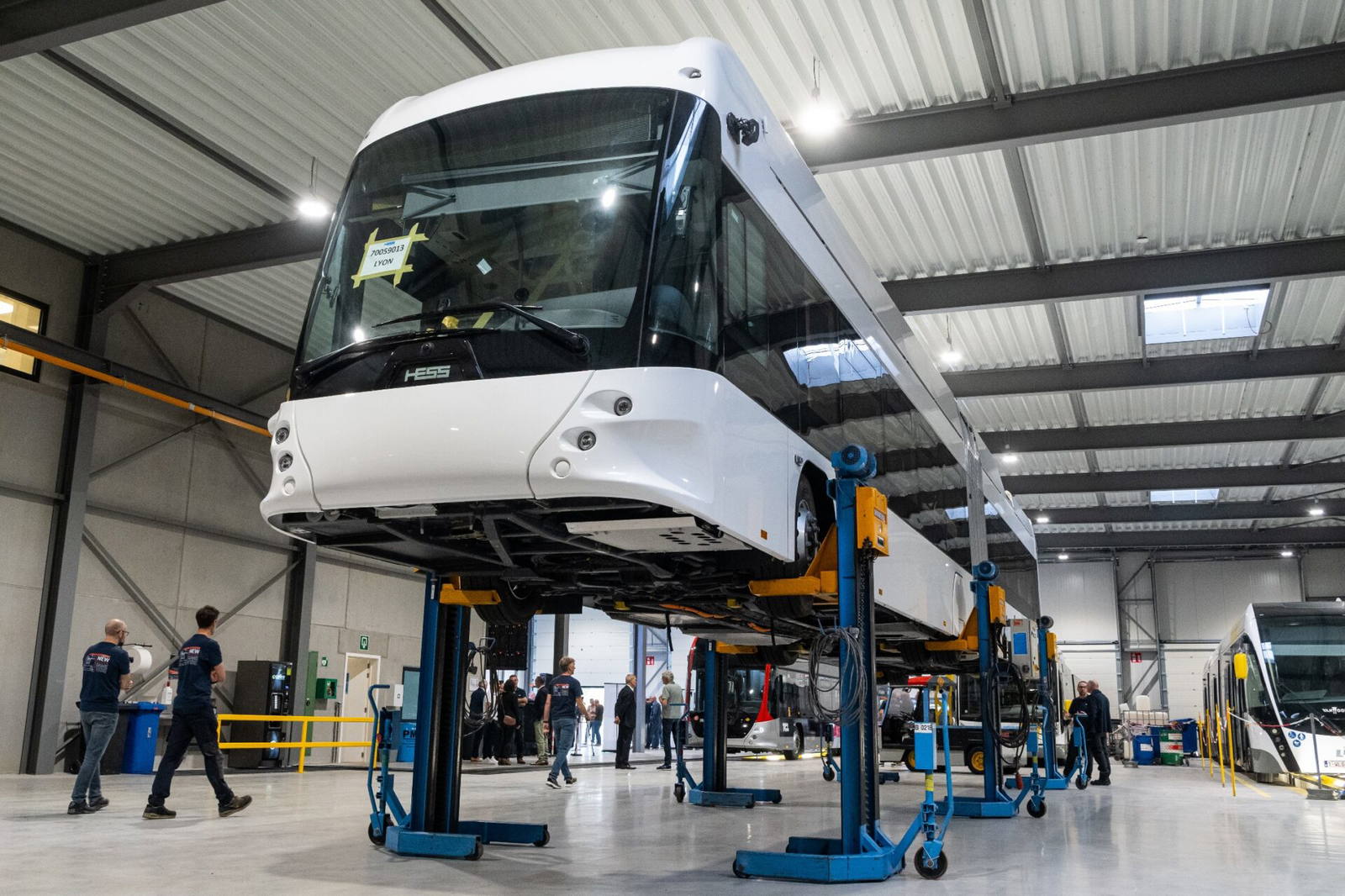
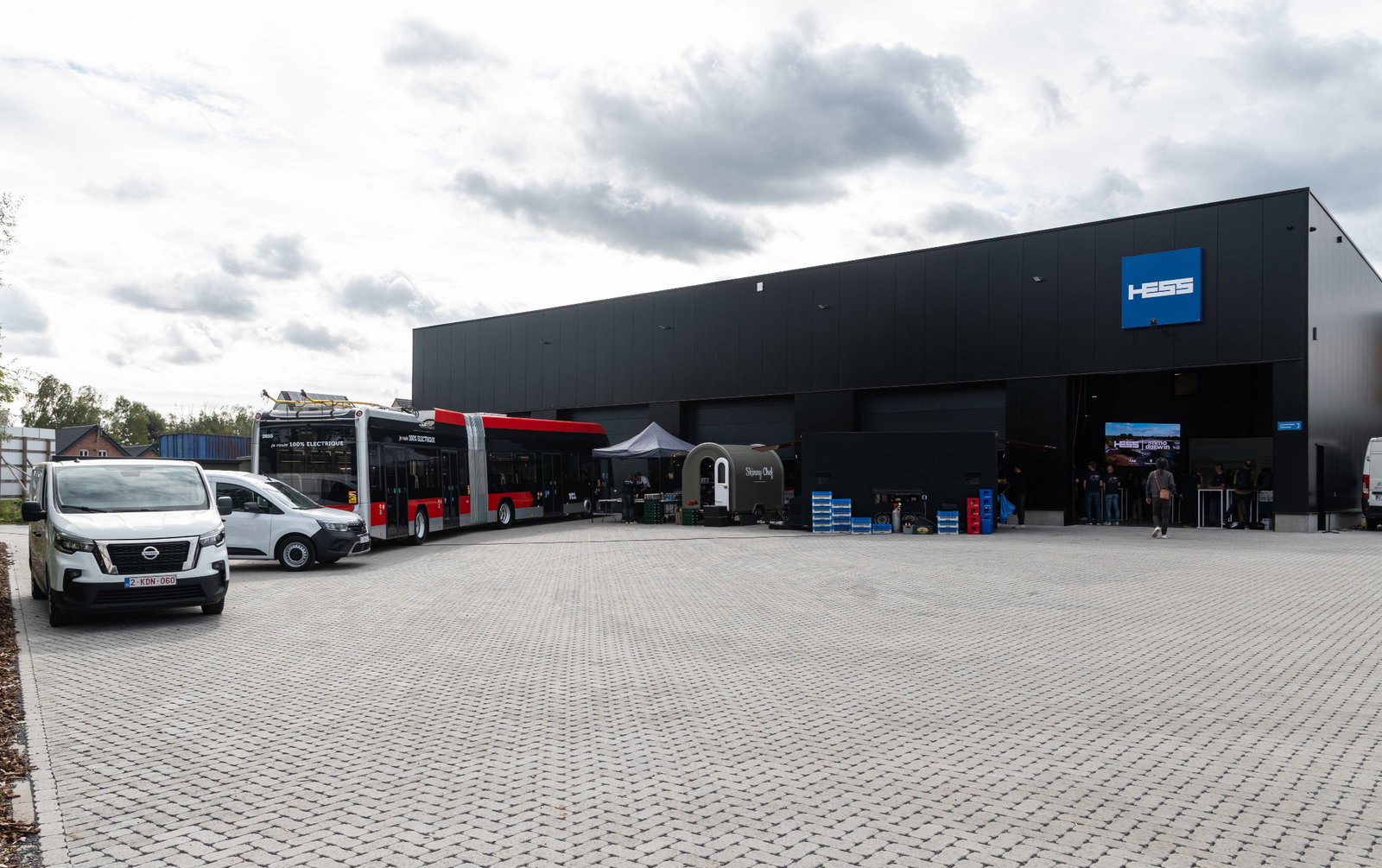
On September 17, Hess officially inaugurated its brand-new repair and service center in Heist-op-den-Berg, Belgium, where, alongside the Swiss bus manufacturer’s own models, technical support will also be provided in future for the urban models of Van Hool, which went bankrupt in April 2024. Marking a new chapter in the history of the Flemish bus industry, the industrial facility — topped by around 2,000 m² of solar panels — was built in just four months by Darwin BV, and our portal was also invited to the official opening ceremony, which was combined with a press conference.
At the new facility, which serves as Hess’s Belgian base, general technical servicing, repair and maintenance of Hess and Van Hool bus types will be carried out, alongside complex bodywork and paint repairs, as well as modernization and retrofit programs. The story behind the creation of the new base, with a floor area of around 4,500 m², is closely intertwined with Van Hool’s bankruptcy two and a half years ago, which came as a major shock to the entire Belgian vehicle industry. The shutdown of the company, which had a history of more than 75 years, marked the end of an era for thousands of employees at the time, but for a smaller group of specialists it ultimately became the beginning of a new story. The core of the current team at the newly established subsidiary, Hess Belgium, is made up of former Van Hool employees, who originally came together again for one specific task: to complete the 30-vehicle series of double-articulated Van Hool Exqui.City 24 buses destined for Paris, which had been left half-finished when the bankruptcy occurred.
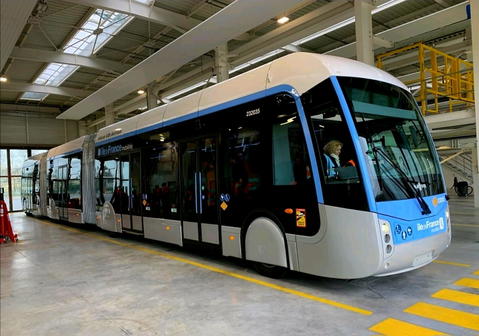
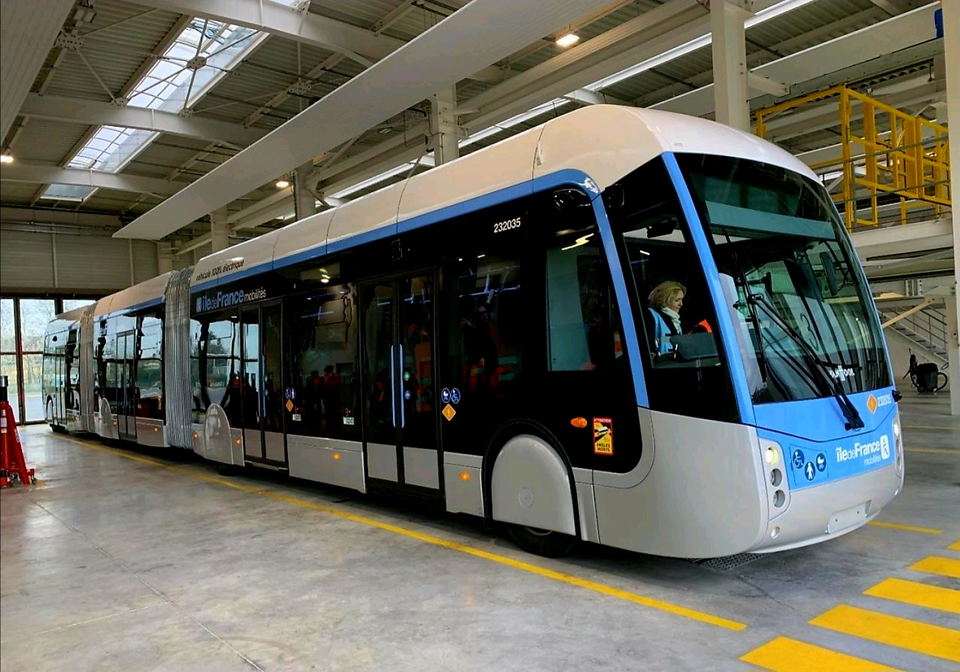
The story began with a coincidence that illustrates how sudden Van Hool’s collapse was, even though the company’s financial difficulties were already widely known by then. In the same week that Van Hool representatives ceremonially handed over the first units of the Exqui.City fleet built for the French capital in Paris, the Belgian manufacturer’s operations effectively collapsed. Of the double-articulated vehicles ordered by the transport authority Île-de-France Mobilités, only five had been delivered at that point, while the remaining 25 units were left at various stages of completion at the Koningshooikt plant.
The French customer, however, still wanted the specially configured vehicles, and with the effective involvement of Île-de-France Mobilités, the conditions for continuing the unfinished delivery were eventually created, despite the fact that the Dutch company VDL, which had meanwhile taken over Van Hool’s bus division, completely ruled out completing the ongoing projects related to urban and suburban buses. The Paris transport authority reached an agreement with Van Hool’s liquidators on completing the double-articulated buses stranded on the production line and transferring their ownership, while naturally the former specialists of the Belgian manufacturer were also determined to finish the 25 half-built vehicles. This is where the threads meet Hess’s story, as it was ultimately the Swiss manufacturer that provided the necessary financial and professional backing — even though the two companies had previously been competitors in the European market’s niche segment of high-capacity double-articulated buses. Yet for precisely that reason, Hess had the experience and expertise that were essential to successfully completing the project. In essence, this brought together several decades of expertise from two companies.
With the involvement of Hess — whose profile is very similar to Van Hool’s original field of activity, manufacturing truck bodies in addition to buses — a team of around thirty former Van Hool employees from various specialist areas was assembled, and it was this team that was then able to complete the half-finished electric buses intended for Paris. Geert Van Hecke, the current head of Hess Belgium, recalled at the opening that the new organization’s first “headquarters” was essentially a café in Lier. That was where they began planning the continuation and tried to bring together the specialists whose knowledge was needed for the project.
This was by no means a simple task, as after Van Hool ceased operations many people had already started looking for, or had found, new jobs. At the same time, Toon Lenaerts, the former head of the Paris project, was so closely attached to the program that, by his own account, his primary goal was to complete the vehicles that had been ordered. The returning specialists initially continued working on temporary contracts, since at that stage it was not even certain whether there would be any continuation after the Paris order had been fulfilled.
From temporary rescue operation to permanent Belgian presence
After the legal obstacles had been cleared, production restarted in the final quarter of 2024 at Van Hool’s former site, under fairly difficult conditions. The work ultimately succeeded: the 25 Exqui.City vehicles left over from the Paris order were completed, and with the handover of the final vehicles, the project originally intended to be temporary was concluded in the first quarter of 2026.
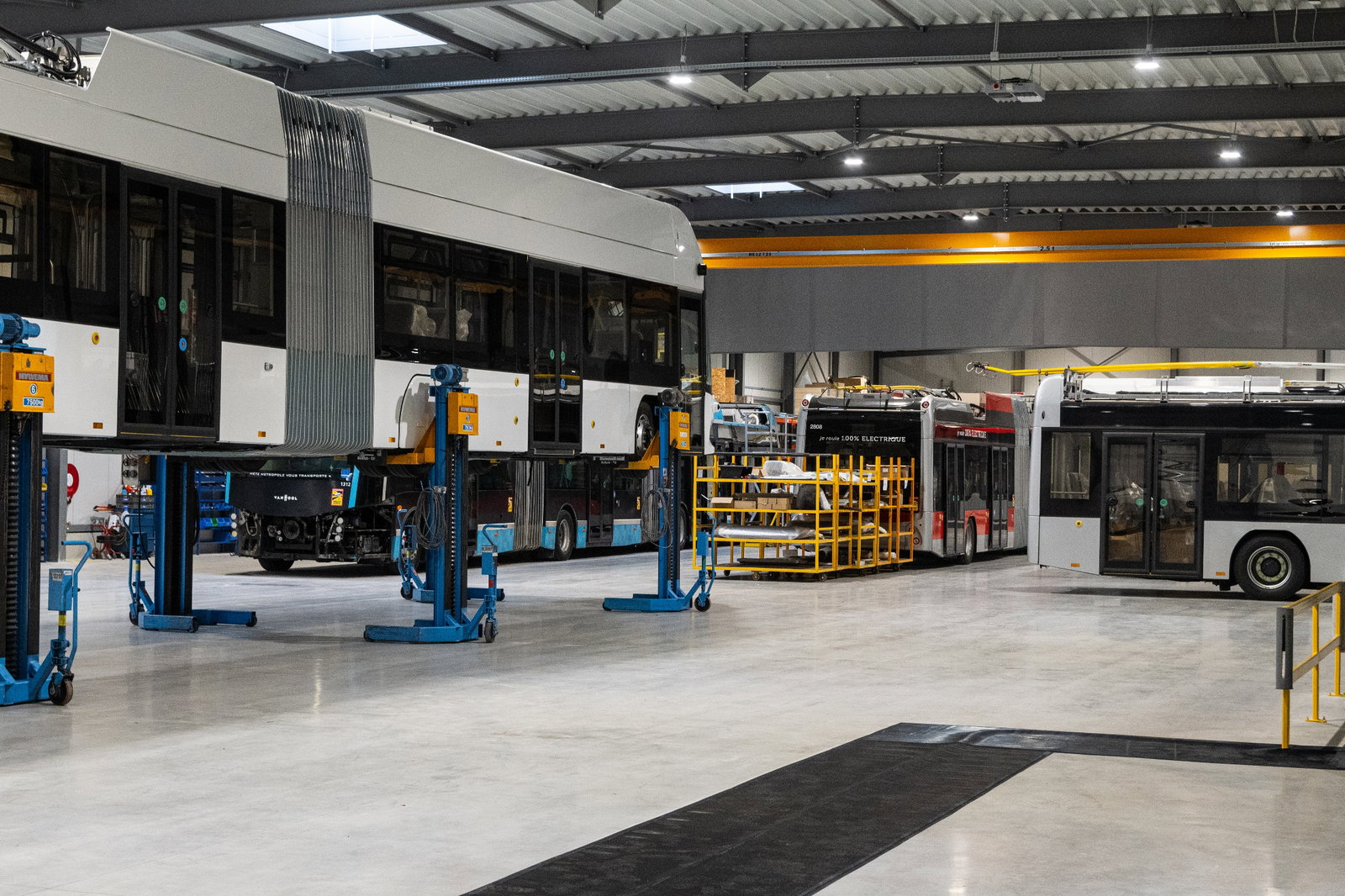
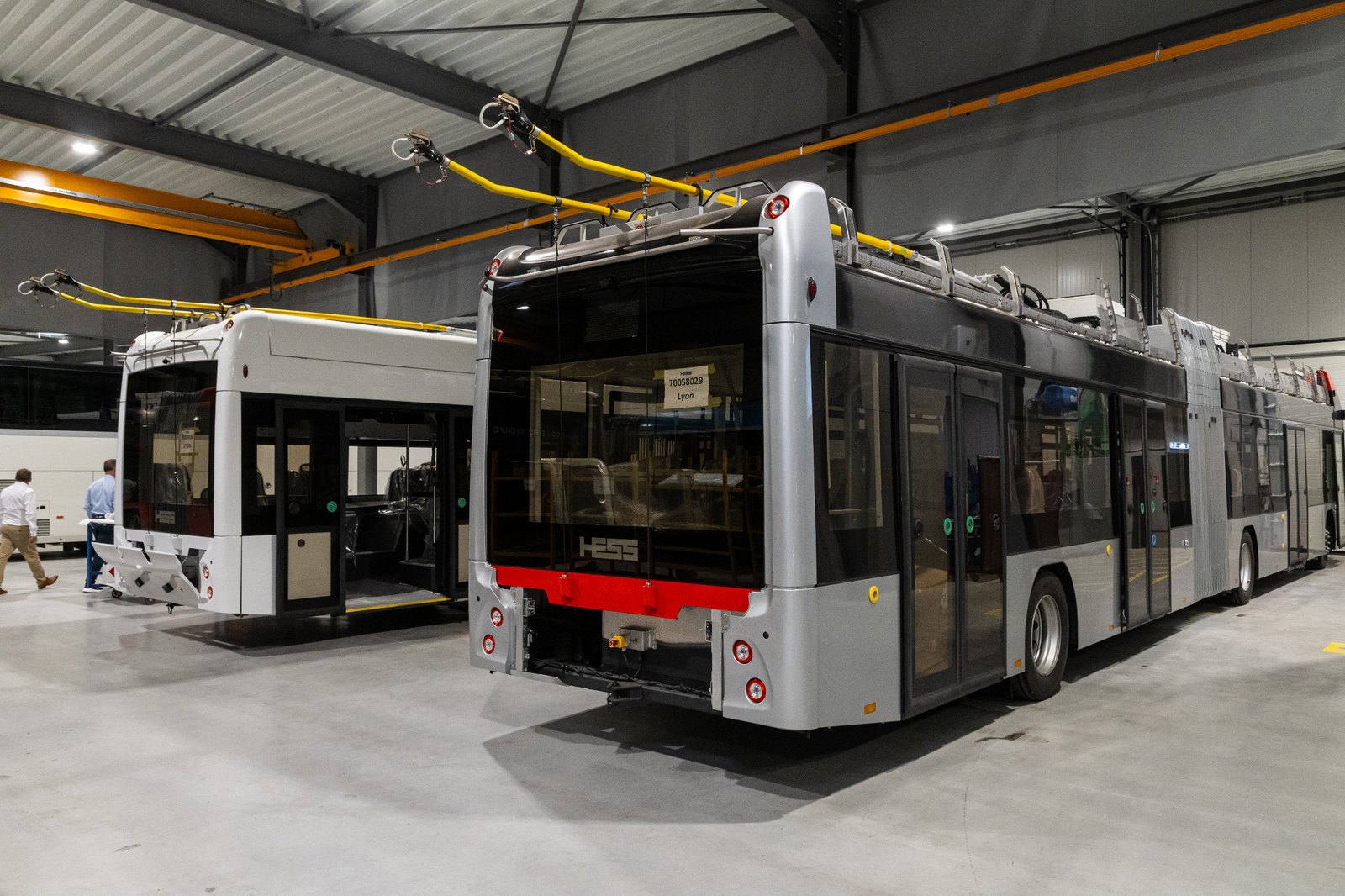
This, however, did not mark the end of Hess’s activities in Belgium. The management of the former market rival decided to retain the highly skilled team of specialists that had meanwhile come together again, and to build in the long term on the knowledge accumulated at Van Hool. The temporary employment contracts were therefore replaced by permanent ones, and the business concept referred to within the company as Hess Belgium 2.0 was born. The new organization’s activities were built on several pillars: on the one hand, the reconstituted Belgian team is involved in international technical support for Hess’s own high-capacity vehicles, such as the Hess lighTram 19 DC trolleybuses being built for Lyon, which also gives the specialists coming from Van Hool the opportunity to gain direct experience with the Swiss manufacturer’s designs and technologies. On the other hand, the site also provides comprehensive technical and service support for transport operators running Van Hool buses. This is complemented by larger special projects, as well as other tasks related to former Van Hool models.
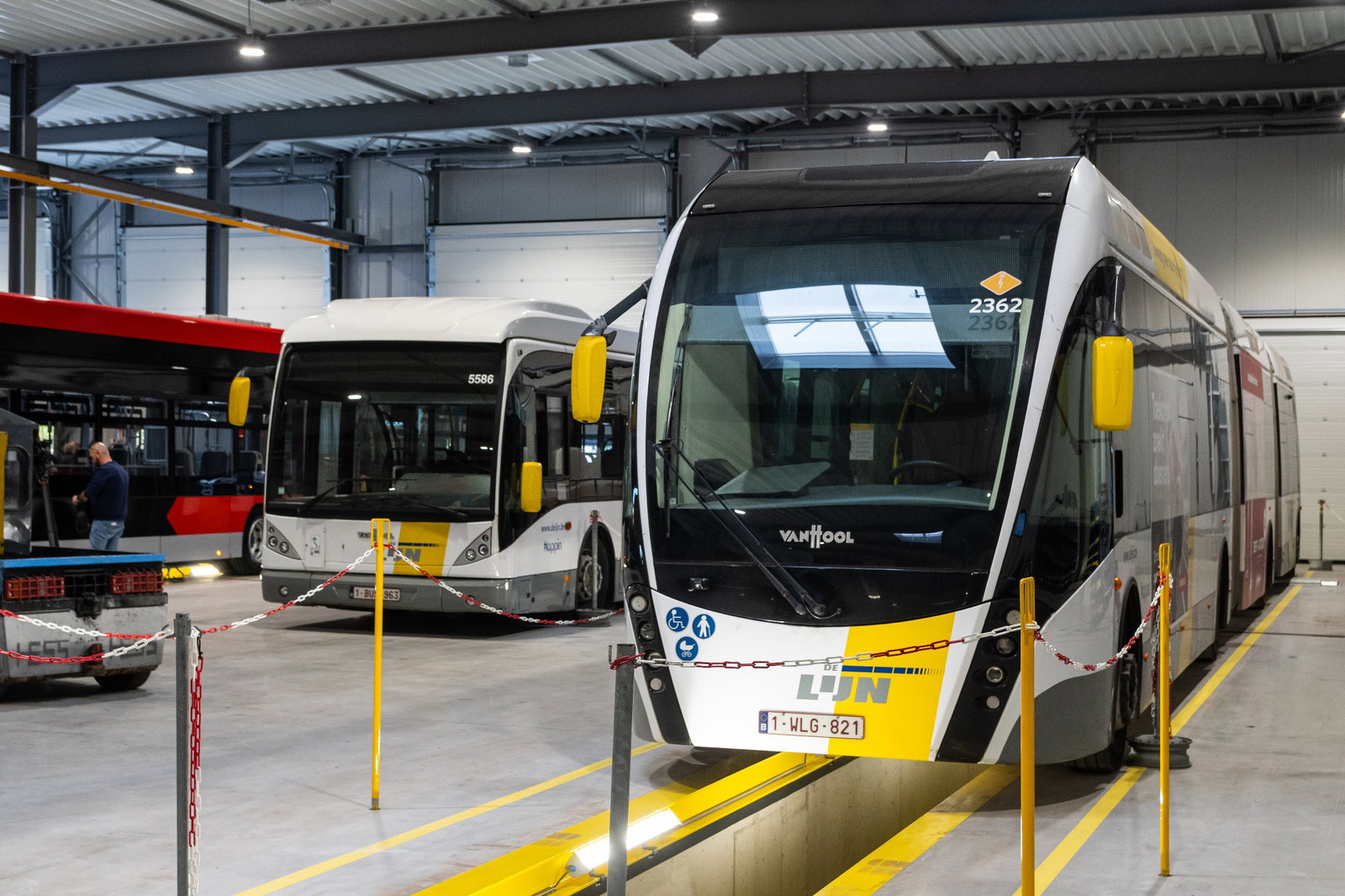
In the latter area, an especially important milestone was securing the future of the Exqui.City family, which can be found in numerous Western European countries. As part of a technology transfer agreement with VDL, which acquired Van Hool’s coach business, the intellectual property rights required for the model’s technical support were transferred to Hess together with the technological background, and the Swiss manufacturer undertook to support the Exqui.City vehicles already in service until the end of their planned service life. In addition to technical assistance, this also covers spare parts supply, software updates and, where necessary, the conversion and modernization of vehicles. The agreement was also a logical continuation of the Paris program, since a significant share of the former Van Hool specialists who know the design well are concentrated in the new Belgian organization.
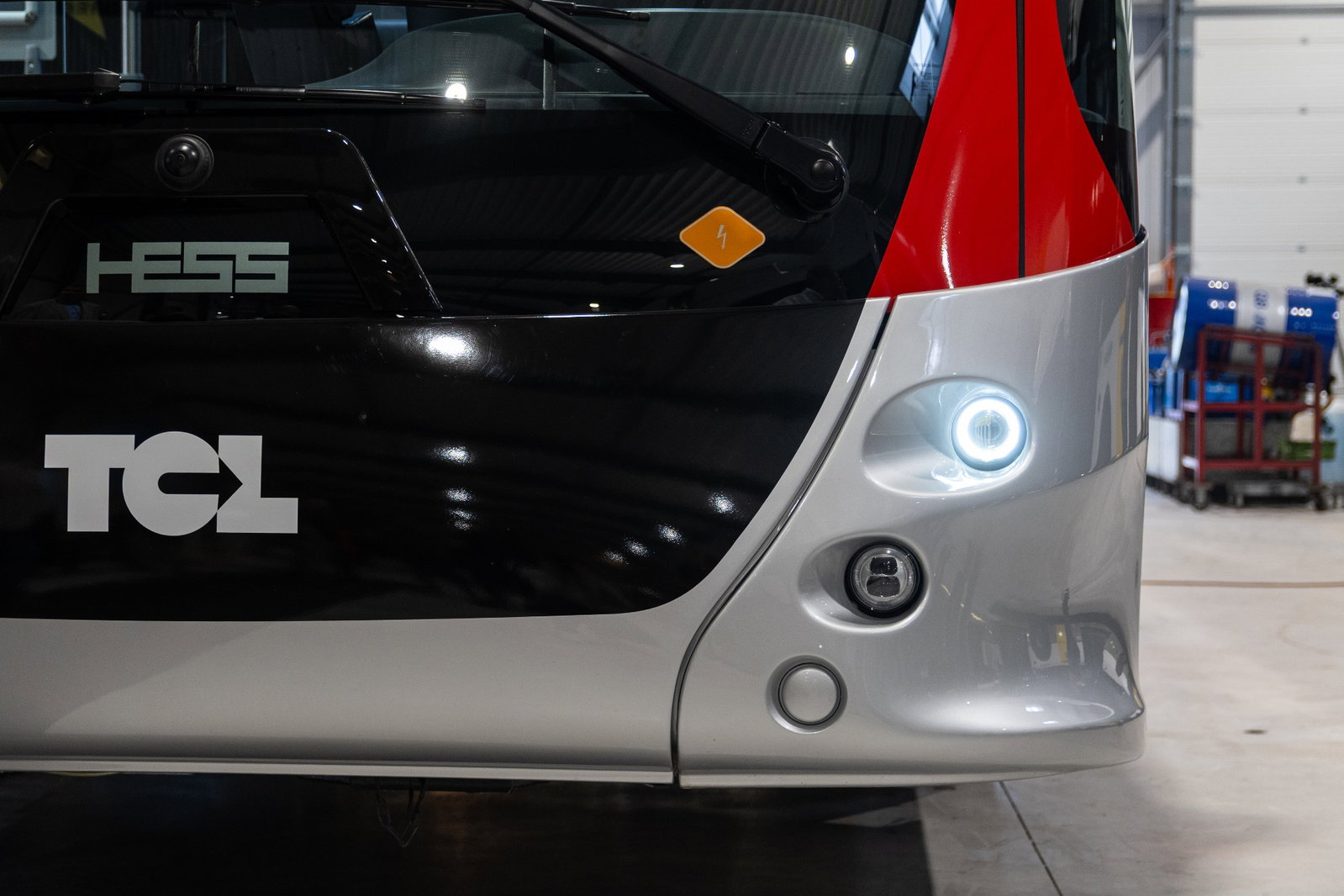
For Hess, however, this knowledge is also valuable from the perspective of its own products. The Swiss manufacturer is regarded as one of Europe’s specialists in high-capacity electric buses: its range includes trolleybuses — including versions capable of in-motion charging from overhead wires — as well as battery-electric buses optimized for conventional or fast charging. At the top of the range are the approximately 25-meter double-articulated versions of the lighTram family, which feature an aluminum frame structure. Hess’s history, incidentally, goes all the way back to 1882, when it began operating as a coachbuilder; today, however, public transport vehicles are at the heart of its activities, alongside the aforementioned body-building business.
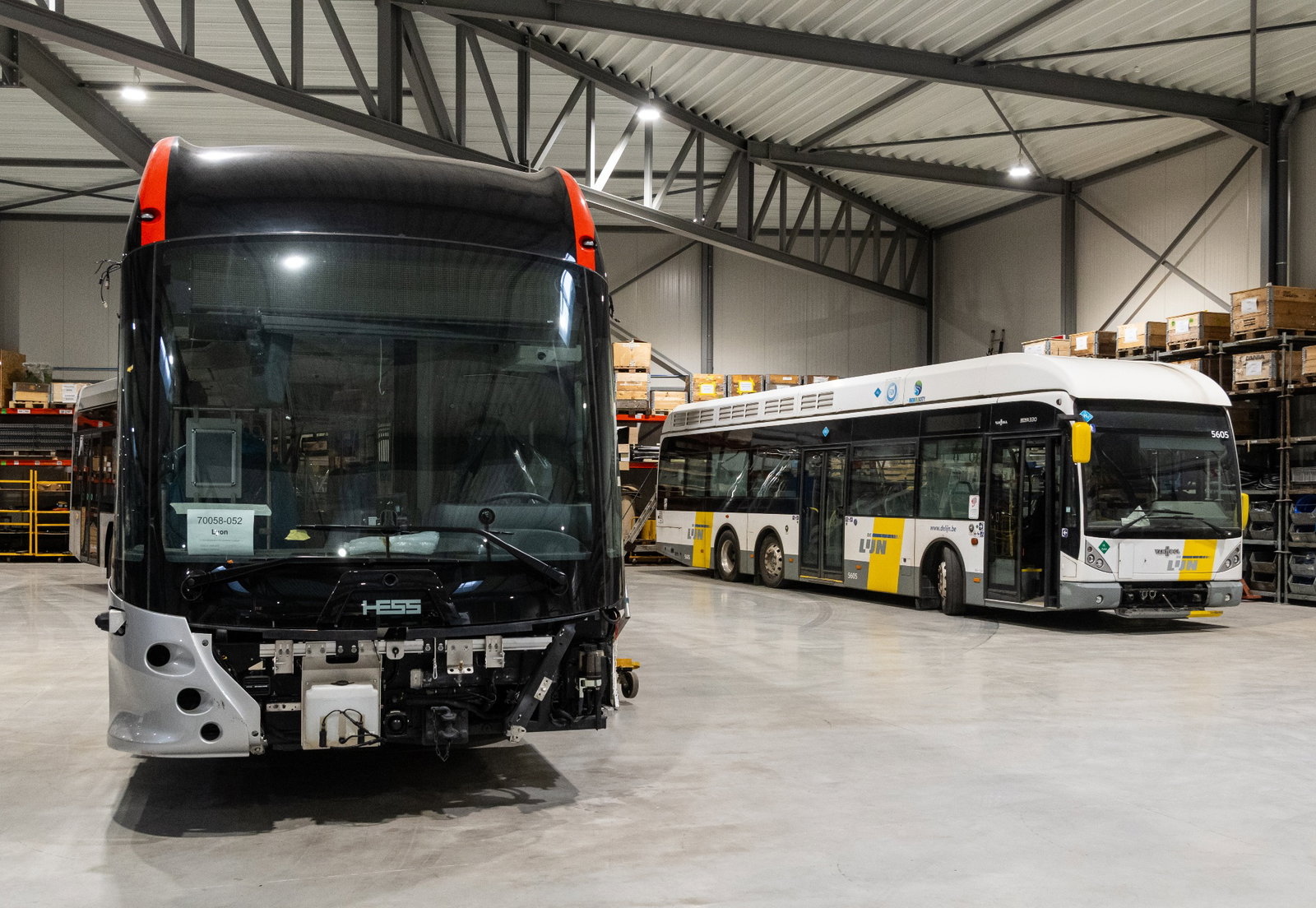
The new home was completed in four months
Over time, independent operations in Belgium also required a new site, as the team could use Van Hool’s former properties, which were under liquidation, only temporarily; they therefore had to leave the well-worn Koningshooikt facilities by the end of 2025. The choice ultimately fell on the Langveld industrial area in the town of Heist-op-den-Berg in Antwerp province, where a new service and workshop hall was created specifically around the needs of Hess Belgium.
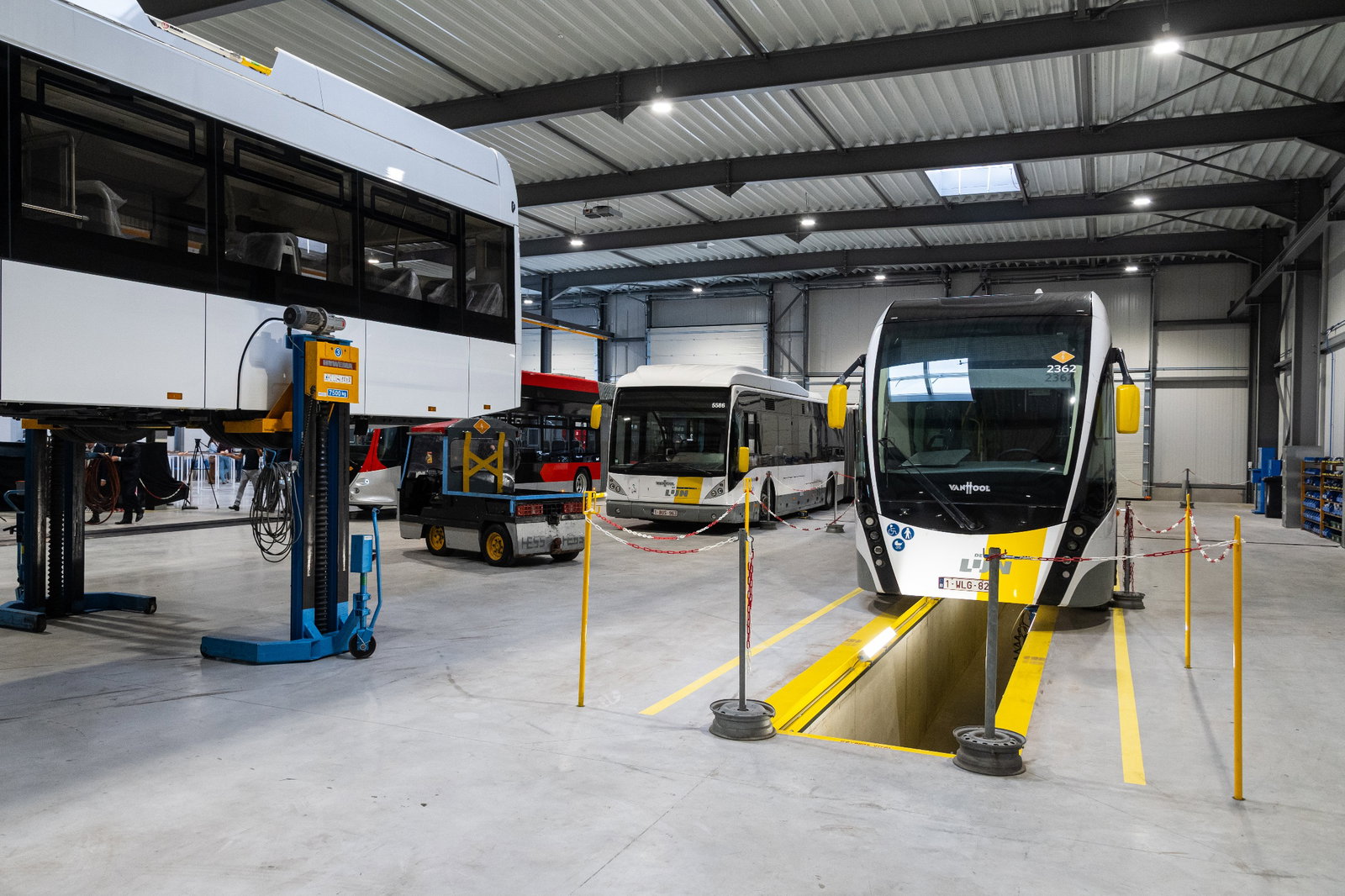
When selecting the location, transport links and industrial conditions were not the only factors considered. According to Geert Van Hecke, it was also important that a large proportion of employees should be able to reach their workplace by bicycle; one of the stated conditions was that this should be a realistic option for around 80% of staff. The investment was implemented extremely quickly: construction began in March 2026, and by June the new facility was essentially complete. Naturally, attention was also paid to ensuring that as much of the electricity used as possible should come from clean sources, so around 2,000 m² of solar panels were installed on the roof of the roughly 4,500 m² workshop hall. The 316 solar panels have a total installed capacity of 150 kWp and, according to preliminary calculations, will generate approximately 142,500 kWh of electricity per year. In addition, a further roughly 2,000 m² of roof area is available for any later expansion of the system.
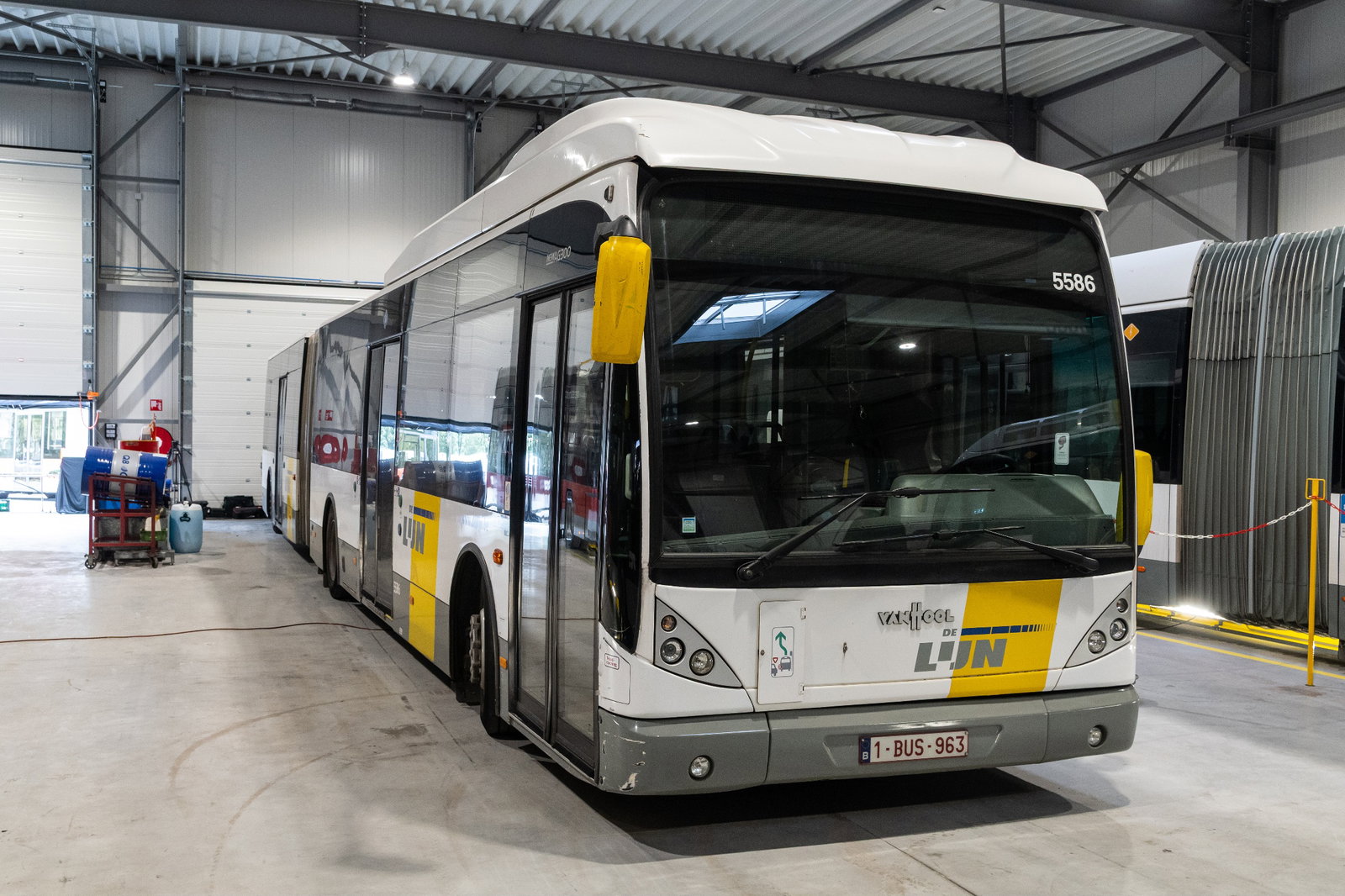
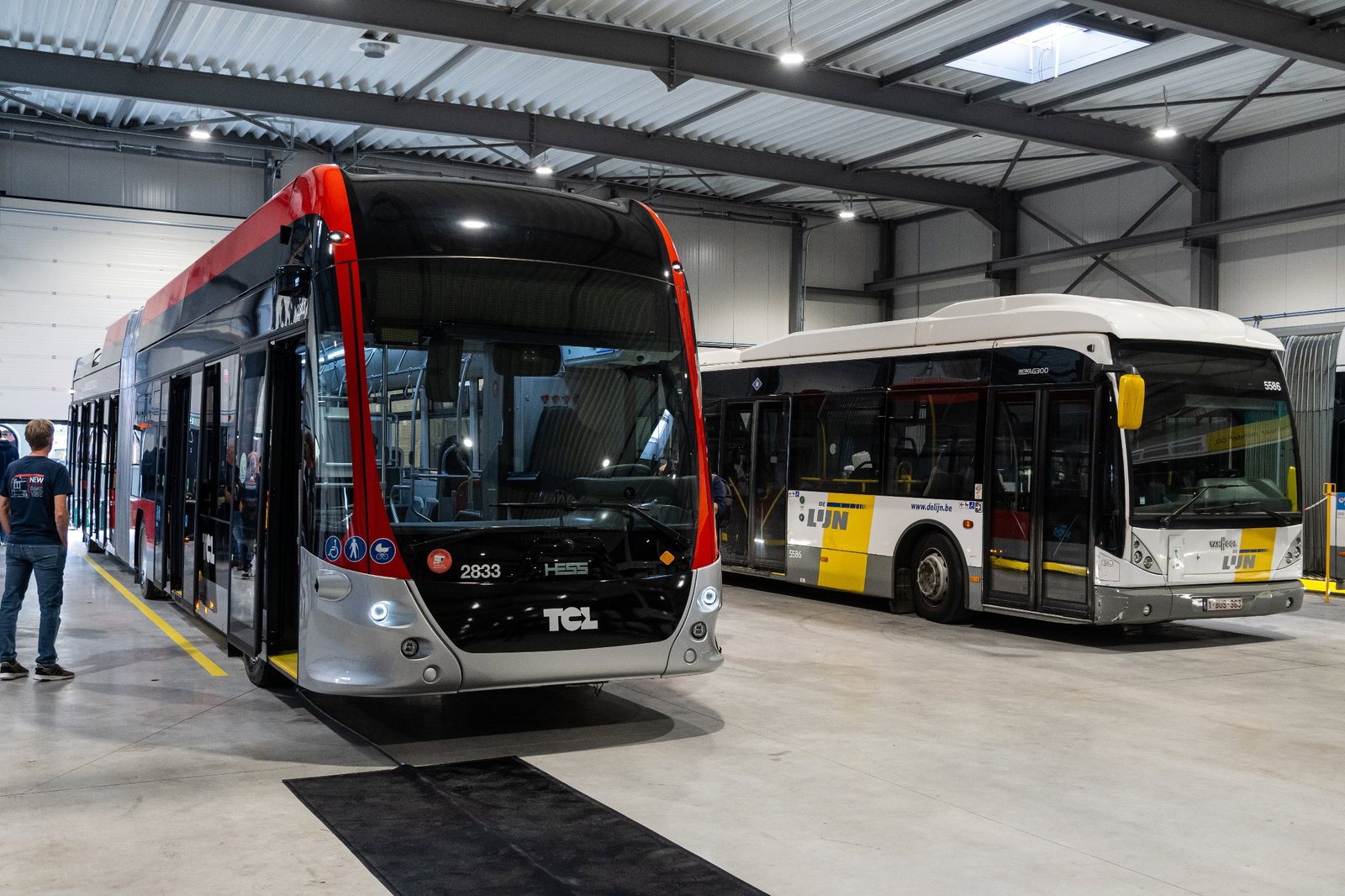
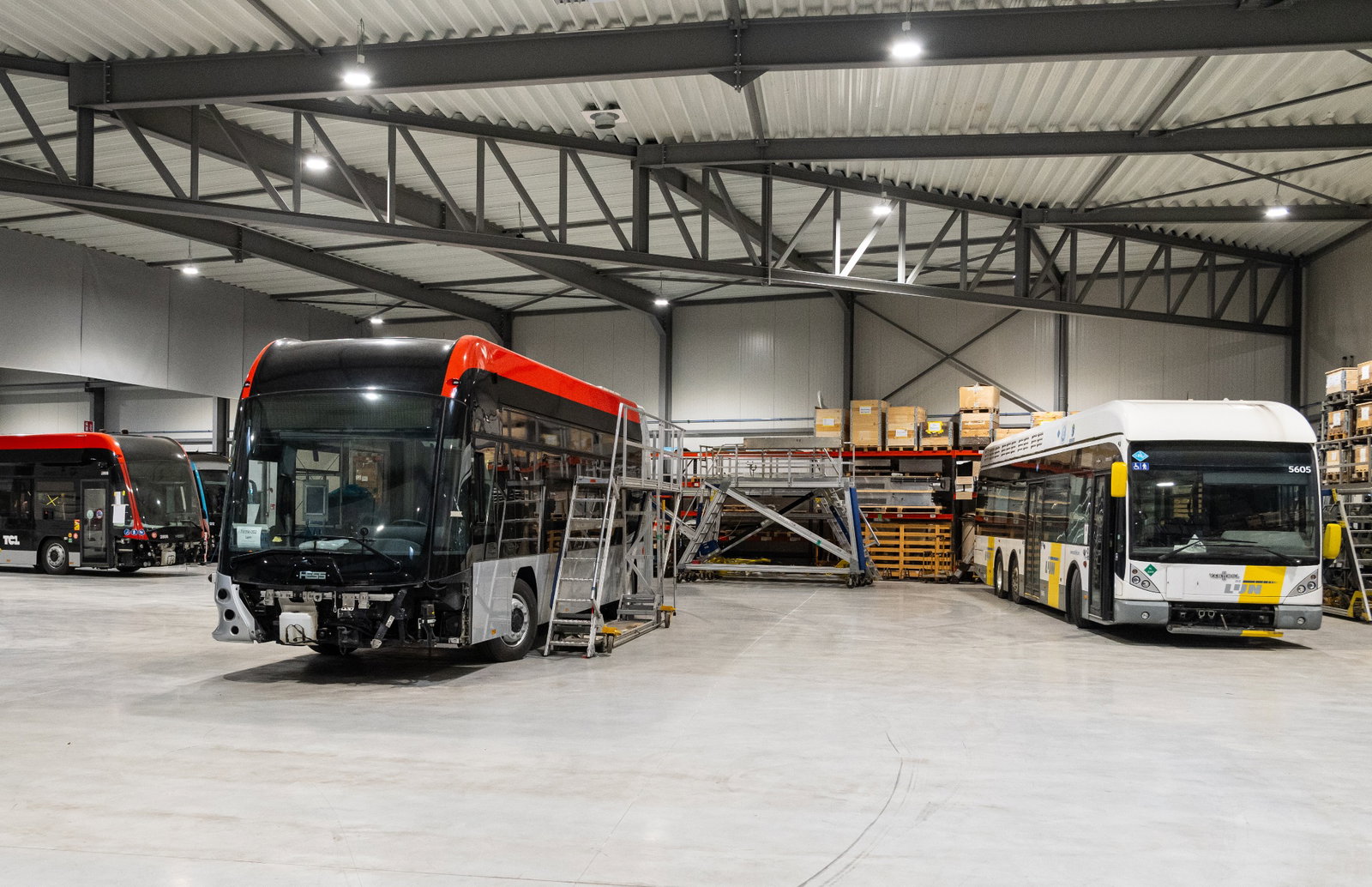
The role of the new facility goes beyond traditional service activities. For its part, Hess defines the Heist-op-den-Berg site as an expertise, service and repair center, where, in addition to technical support and repairs, modernization and retrofit programs, bodywork and painting, and even the repair of more serious structural damage can be carried out. From the perspective of local operators, it is particularly important that Hess Belgium does not deal exclusively with Hess and Van Hool Exqui.City vehicles, but — as we were able to see for ourselves at the opening ceremony — also offers technical support for other Van Hool types and even buses from other manufacturers. Its activities range from complex diagnostics and on-site repairs through maintenance and warranty administration all the way to identifying hard-to-source and/or critical components and, where necessary, finding suitable substitute solutions.
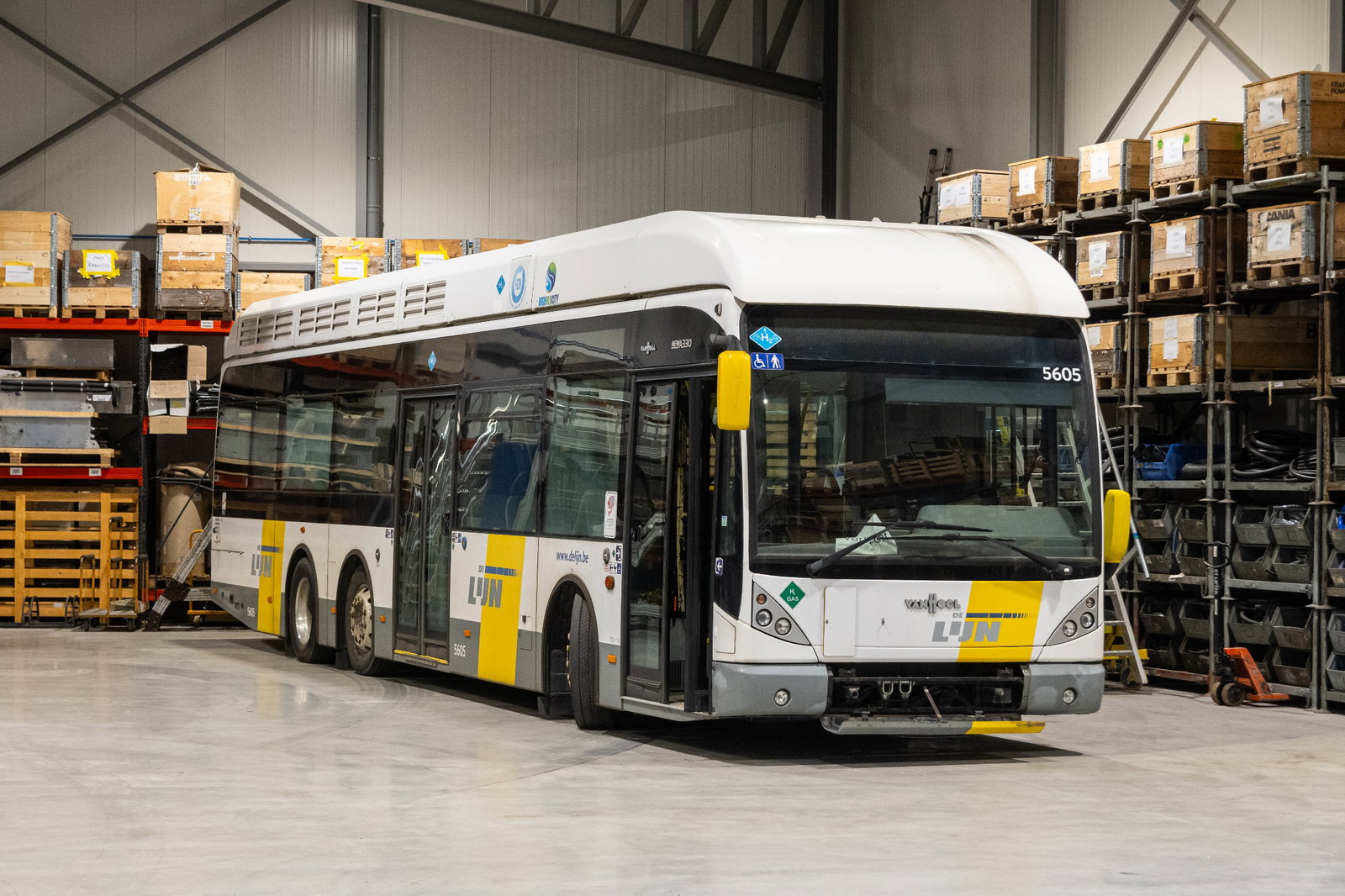
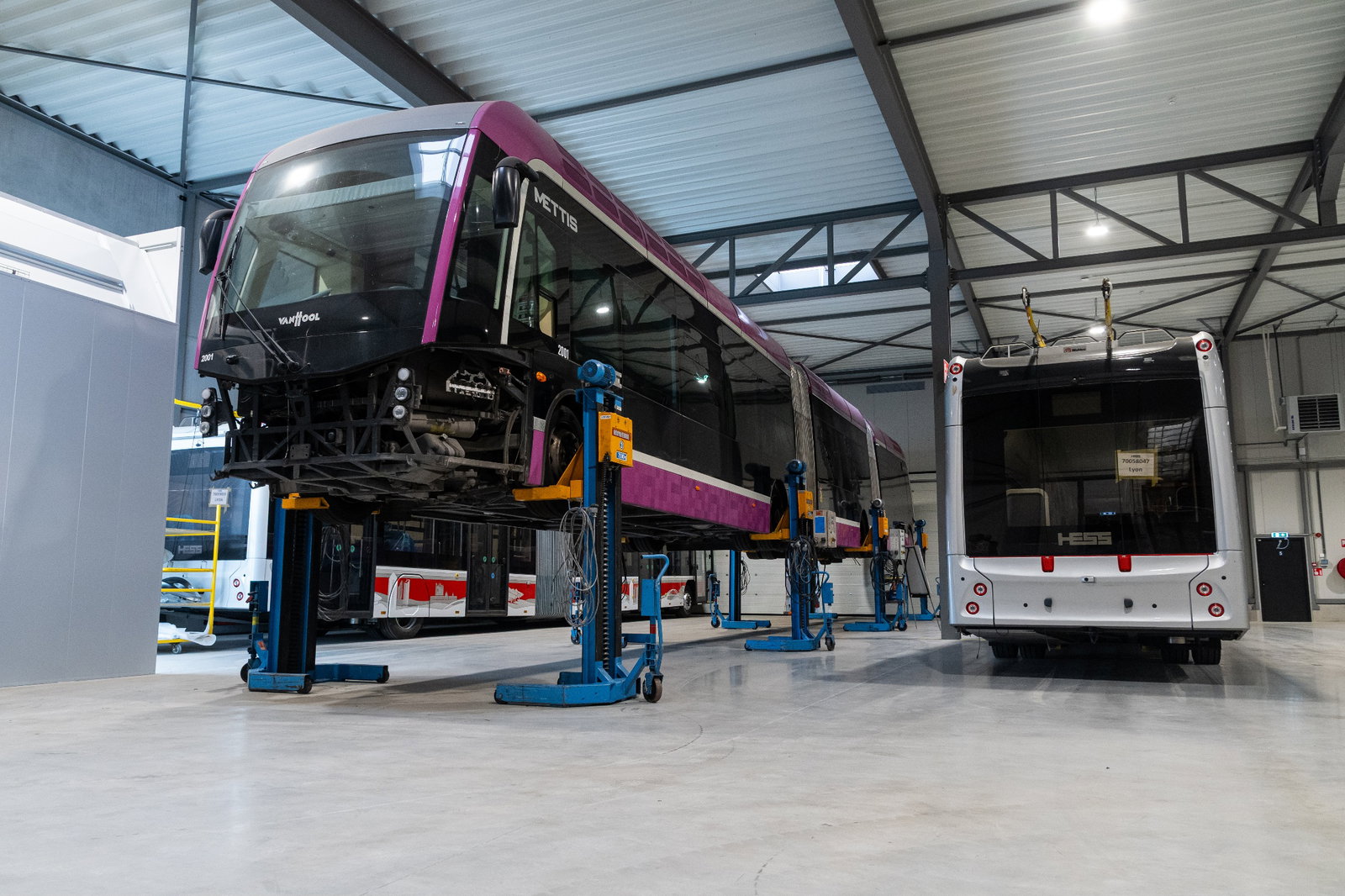
Modernization and retrofit programs for vehicles already in service form a separate area of expertise. Within this framework, Hess Belgium undertakes, among other things, traction battery replacement, software modernization and more substantial structural interventions. There was already a tangible example of the latter in the workshop at the time of the opening: during our visit, two 24-meter Van Hool Exqui.City double-articulated vehicles from the Mettis network in Metz, France, carrying fleet numbers 1312 and 2001, were at the site, where they are undergoing a major roof structure refurbishment.
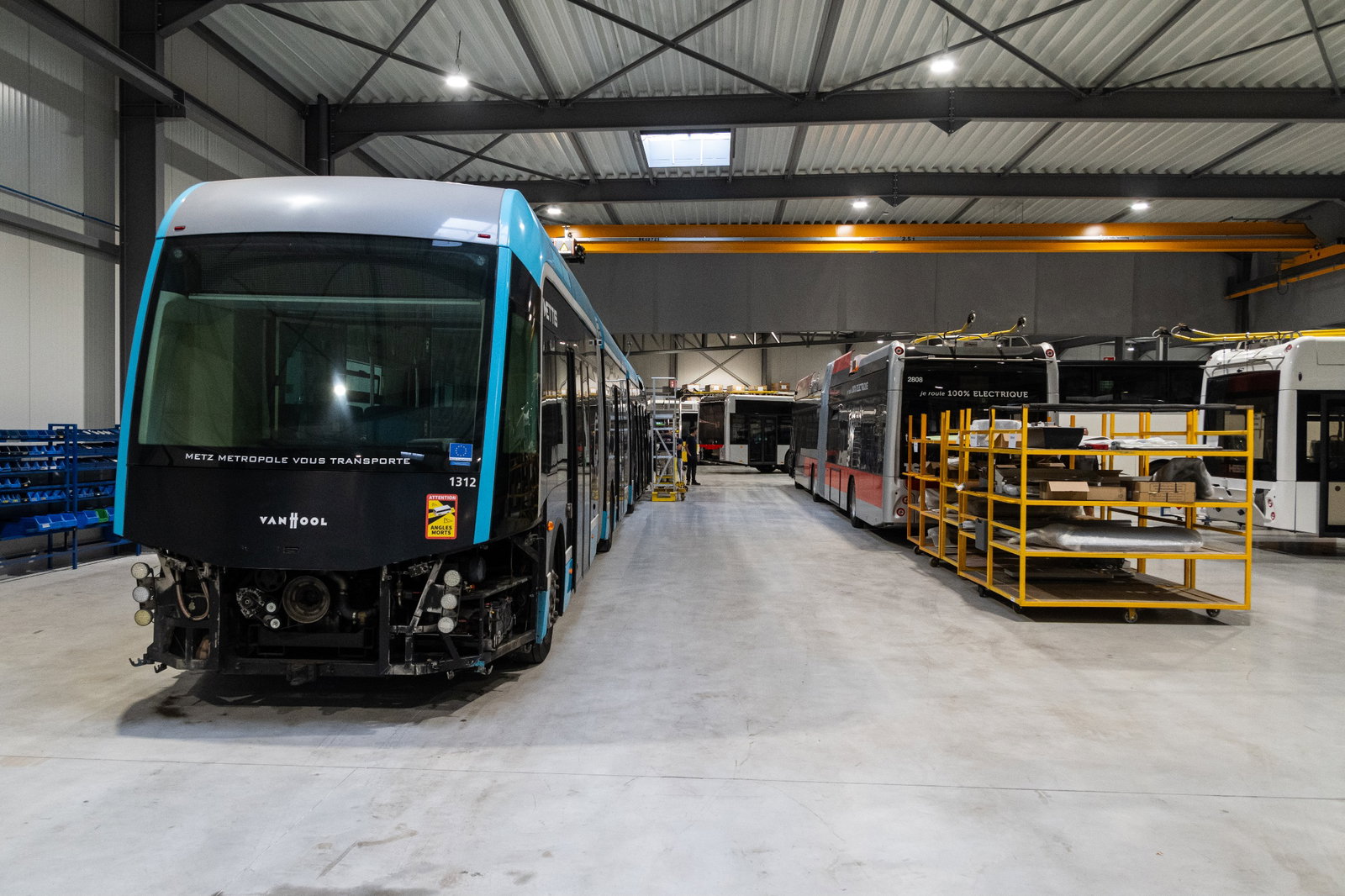
During the work, the mechanical equipment mounted on the roof, along with the affected passenger compartment elements and air ducts, is removed; the necessary sections of the existing roof structure are then cut out, and new structural elements are welded in their place. The intervention concludes with the installation of a new roof sheet and the sealing of the joints, followed by the reinstallation of the previously removed components. The refurbishment of the Metz vehicles clearly shows that Hess Belgium’s activities can, where necessary, extend to the in-depth restoration of a vehicle’s fundamental structural elements. The aim is to extend the operating life of buses already in service through modernization and refurbishment wherever this is technically possible — something Hess says serves both sustainable mobility and the principles of the circular economy.
Carrying forward the knowledge built up at Van Hool
The current workforce of 25 is to be increased to 35–40 people in the medium term. The company is currently actively recruiting new employees, for whom Hess will also provide in-house technical training where needed. The expansion does not merely mean creating new jobs: according to Hess Belgium, one of its most important long-term tasks is to preserve and pass on the specialist vehicle-industry knowledge accumulated at Van Hool over more than seven decades.
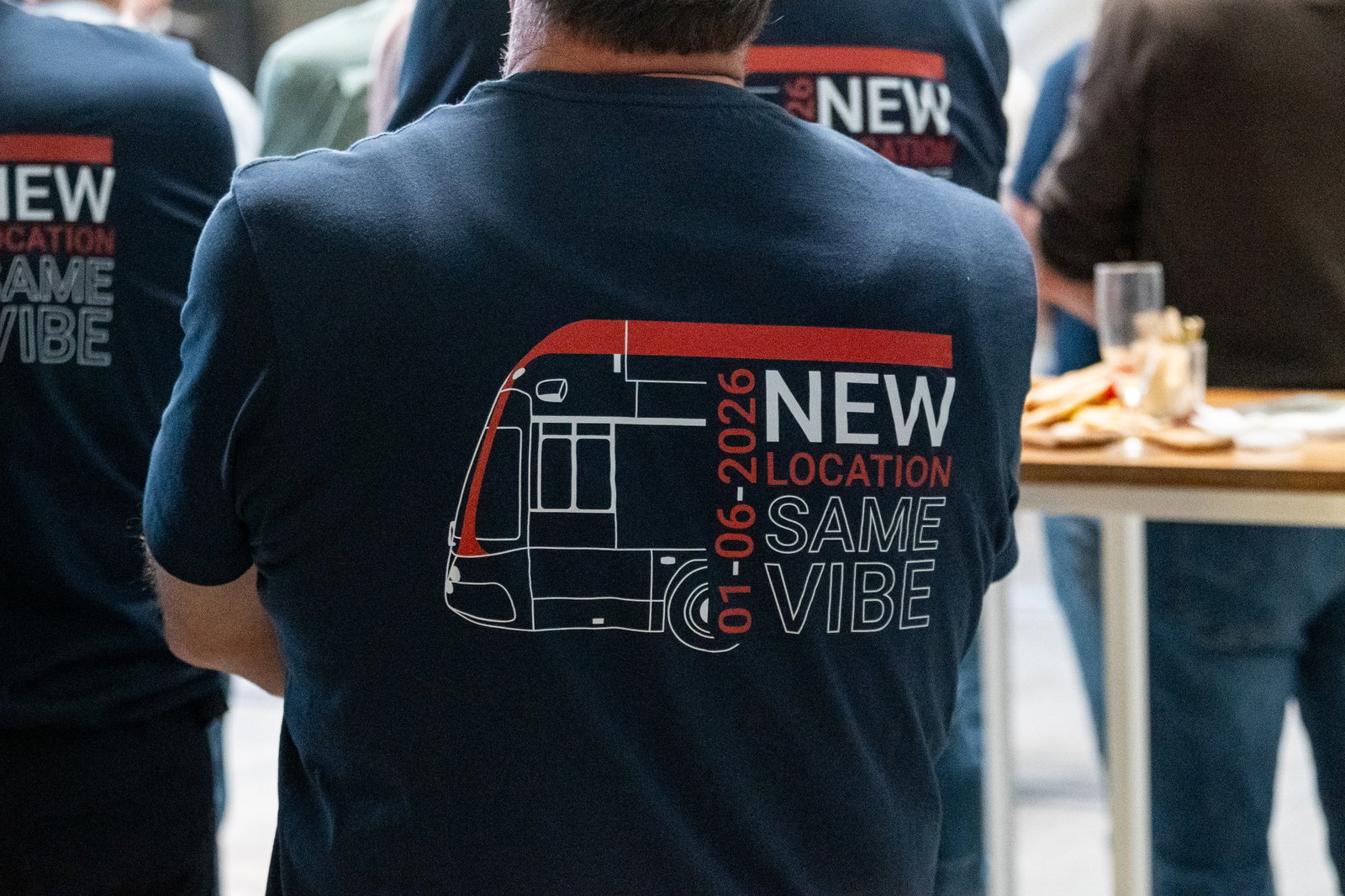
According to Van Hecke, practically all the necessary competencies are now present within the team, and this is a level of experience that today can be found together in very few places. The next step may therefore be to bring in and train young specialists. Hess’s practice in Switzerland can serve as a model for this: there, too, the company consciously builds on the next generation, and in the past year alone 38 young people began their professional careers with the company.
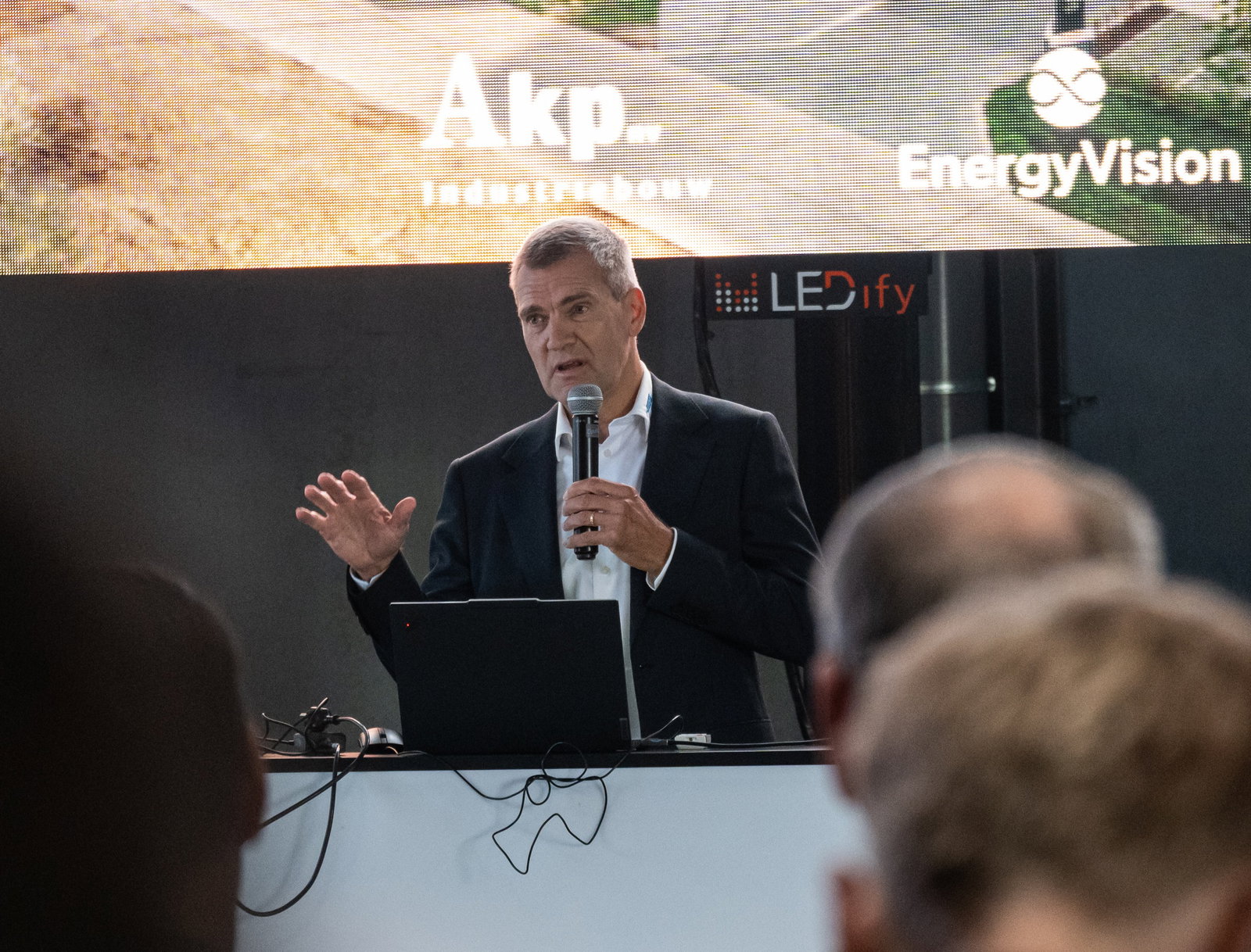
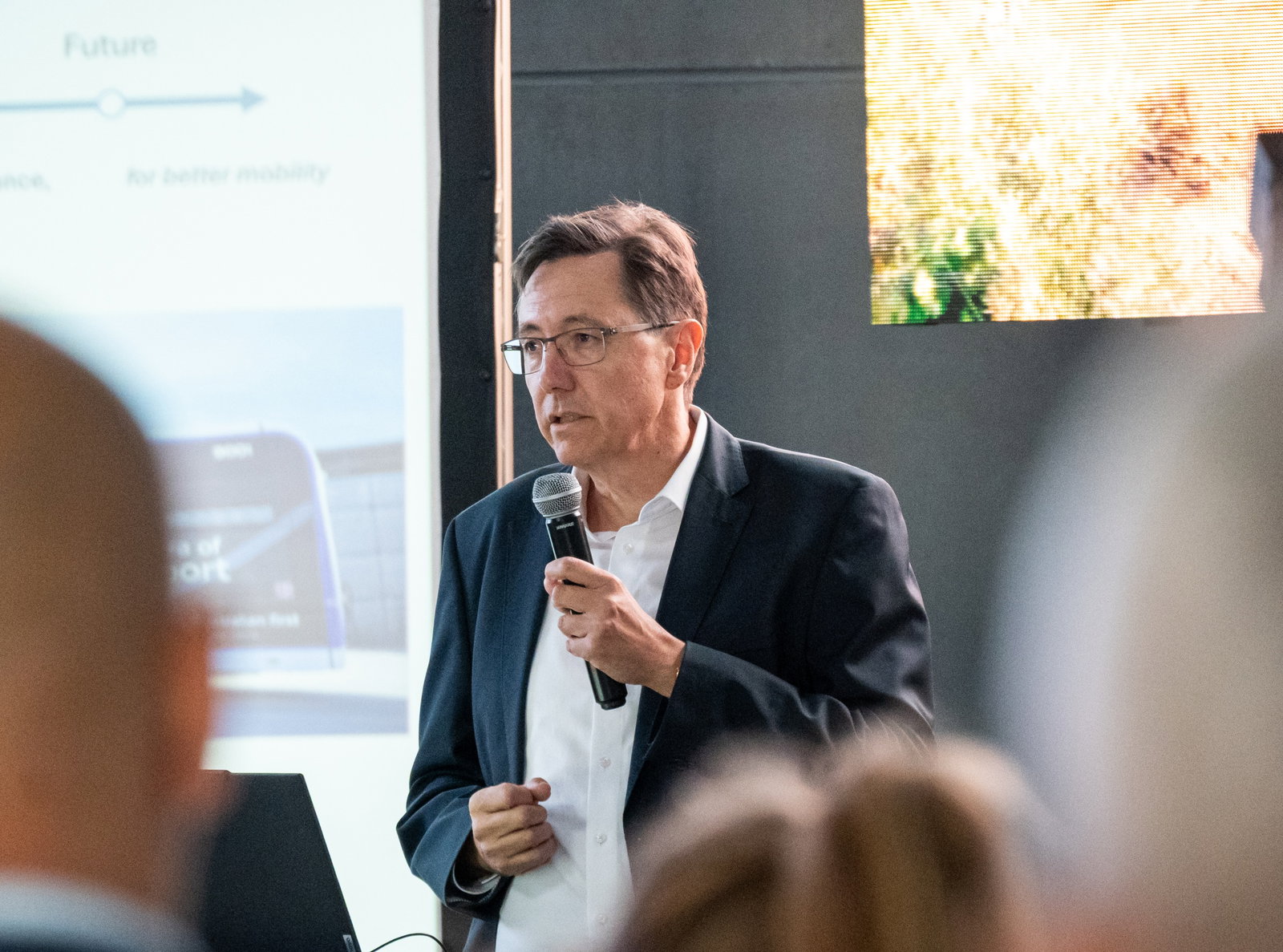
From this perspective, the establishment of the Belgian center is therefore far more than the opening of a new Hess site abroad. In just over two years, a team that in spring 2024 had been formed solely to complete 25 half-finished buses destined for Paris has become a permanent organization, one that is now part of the Swiss manufacturer’s European service network and technical support structure. The significance of Hess Belgium and its potential as an employer were underlined by the fact that, at the September 17 opening ceremony, the new company was welcomed not only by Hess’s senior central management, including CEO Alex Naef, but also by representatives of the local municipality.
The service center built in Heist-op-den-Berg represents both a further strengthening of Hess’s European presence and the continuation of the professional legacy of Belgian bus manufacturing. Although the former family-owned company behind the Van Hool brand ceased to exist in 2024, part of the knowledge accumulated there has thus been preserved: the same specialists who were still building Exqui.City models in Koningshooikt two years ago are now continuing their work within the Belgian organization of what was once perhaps their greatest rival.
Photos: Dániel Seesink