![Magyarbusz [Info]](/mbi/header-logo.png)
1,779 new buses from EU funding in Poland – Solaris won more than 40% of the orders
 Ludányi József
Drawing on funding from the European Union’s Recovery and Resilience Facility (RRF), Poland is implementing one of the largest bus procurement programmes of recent years, on a scale that, from Hungary, we can for the time being only look on with envy. Under Poland’s national recovery and resilience plan, the KPO (Krajowy Plan Odbudowy), contracts have been signed across the country for a total of 1,779 new urban and regional buses, the vast majority of them zero-emission vehicles. The programme is not a single centralised public procurement: using EU support, Polish municipalities, transport companies and regional operators have procured, or are procuring, the new vehicles through separate projects.
The scale of the programme is noteworthy in itself, but the composition of the fleet being procured is perhaps even more telling. Of the 1,779 buses under contract, 1,428 are zero-emission vehicles, while only 351 fall into the low-emission category. The overwhelming majority of the new vehicles will be used to develop urban transport: 1,230 emission-free buses and trolleybuses fall into this group, while the renewal of interurban and regional transport accounts for 198 zero-emission and 351 low-emission buses.
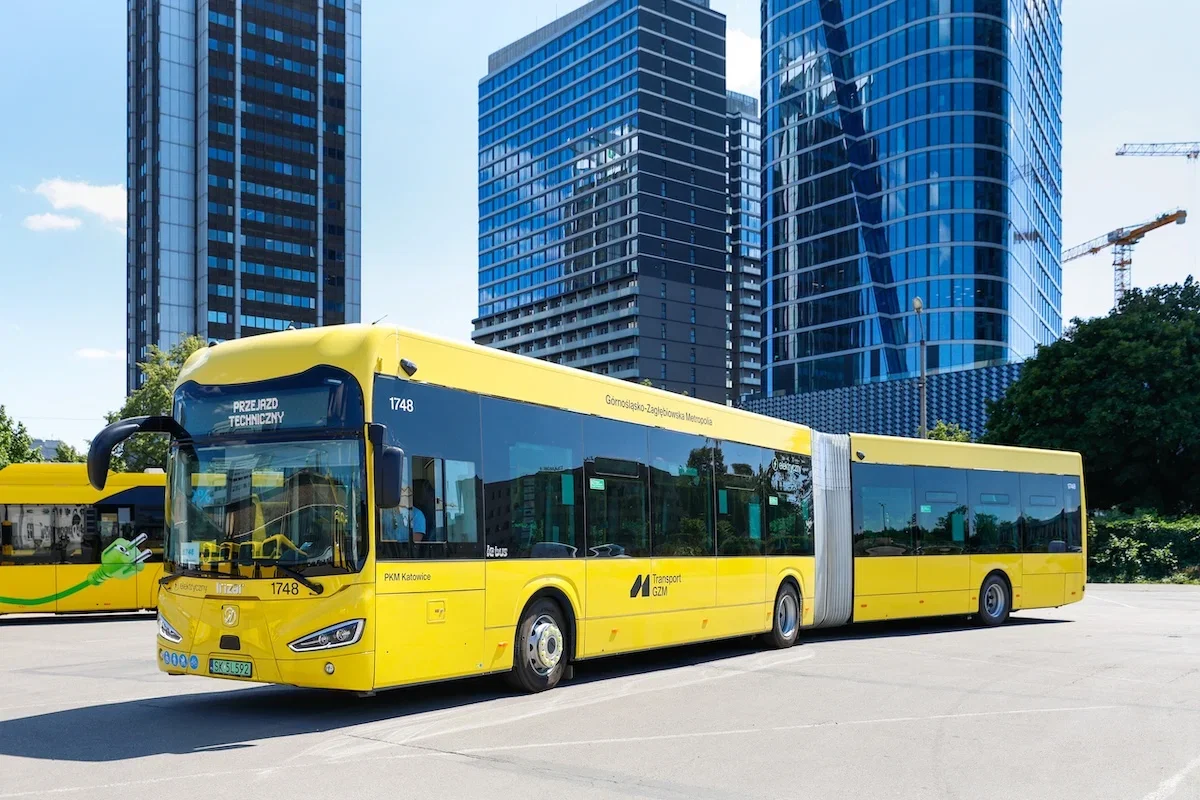
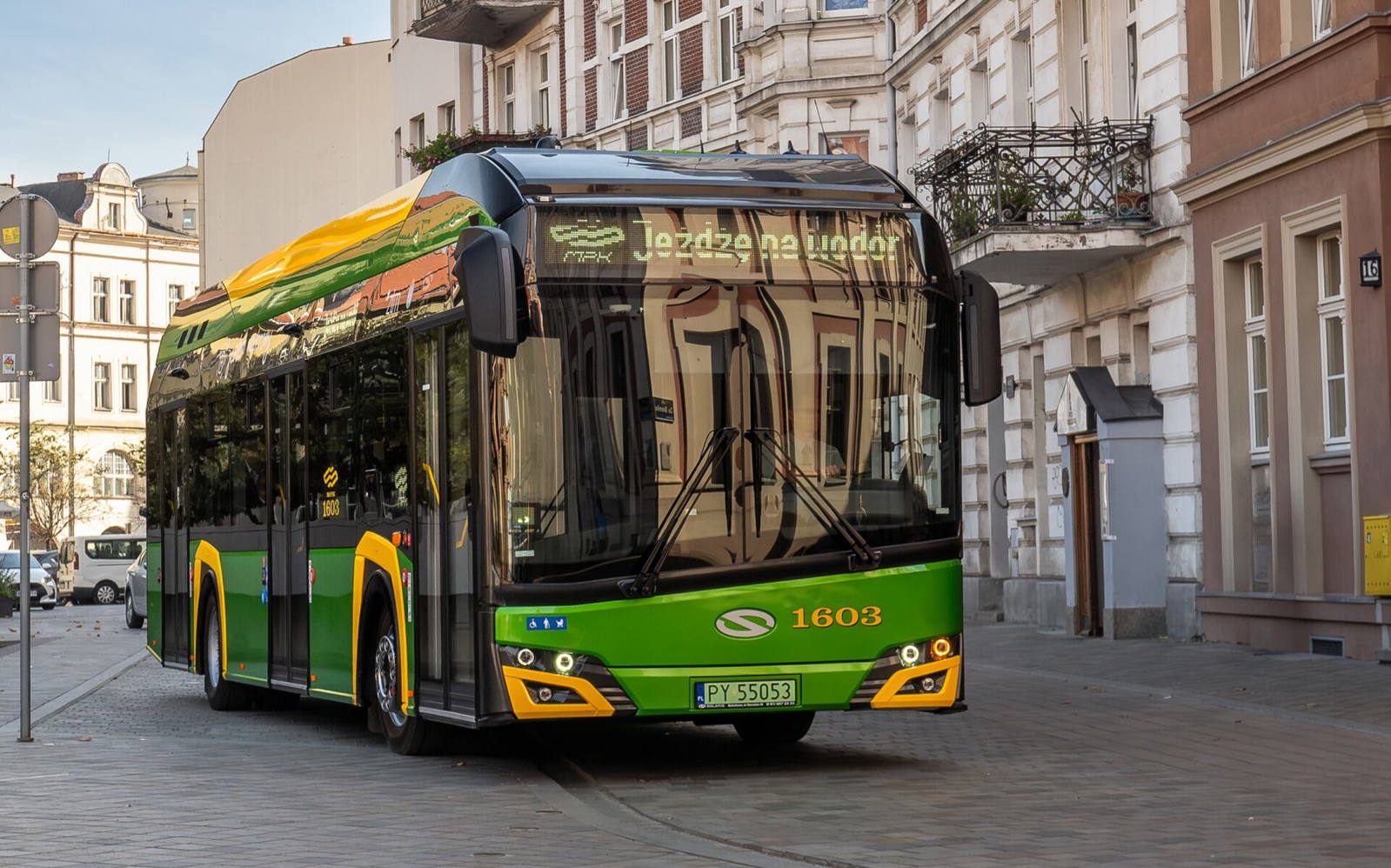
Among driveline technologies, battery-electric propulsion dominates by far, with contracts signed for a total of 1,241 such buses. These are complemented by 154 hydrogen fuel cell buses and 33 trolleybuses, meaning the Polish programme stands out not only in terms of volume, but also in the share of zero-emission vehicles.
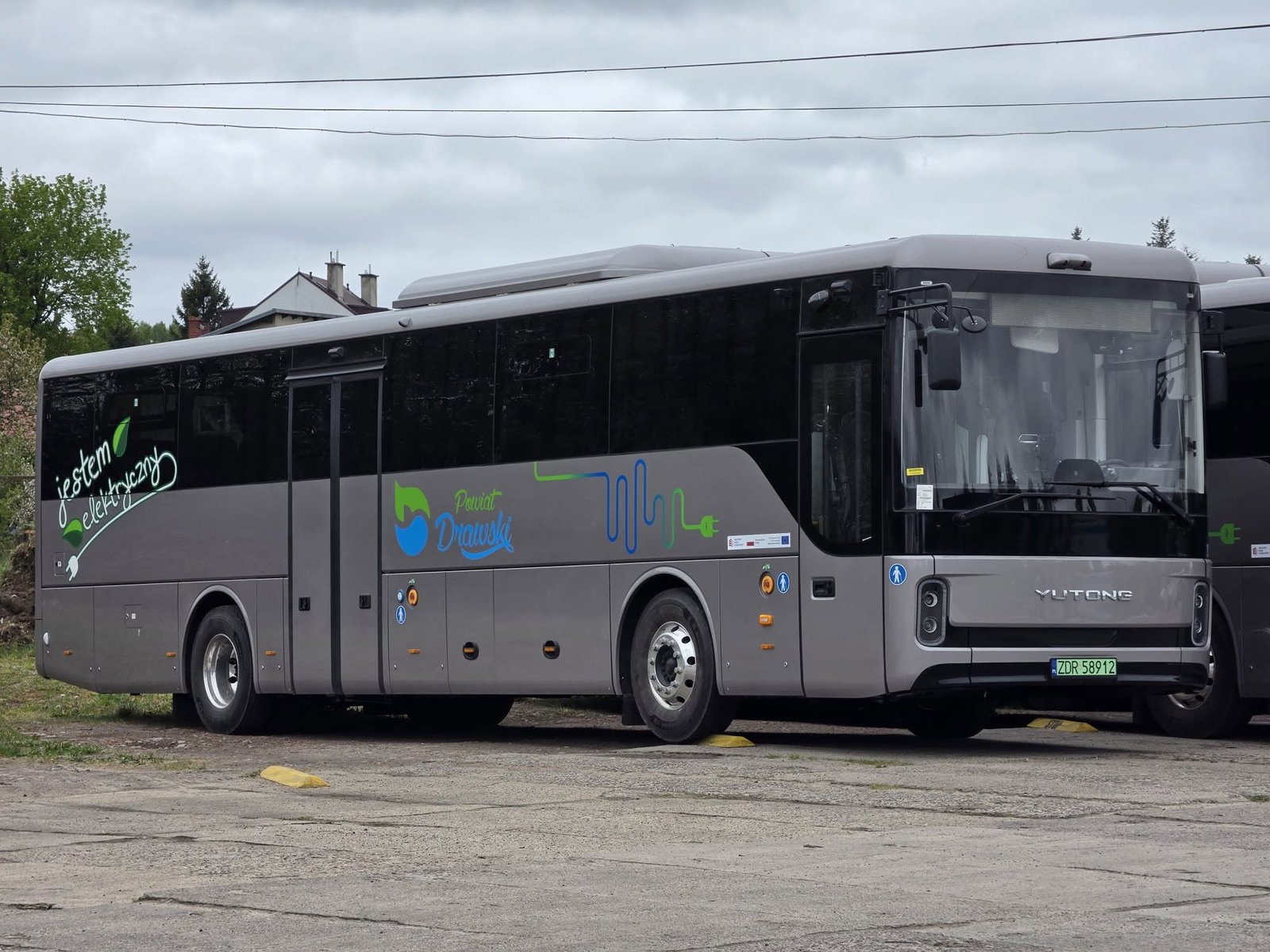
Behind the figures, however, another interesting picture also emerges: where this enormous number of vehicles is actually being built. Some 84% of the buses supported from KPO funding come from European Union production, while 15% are manufactured in China. A further one percent is linked to production in Turkey, or to cooperation with a bus factory in Turkey.
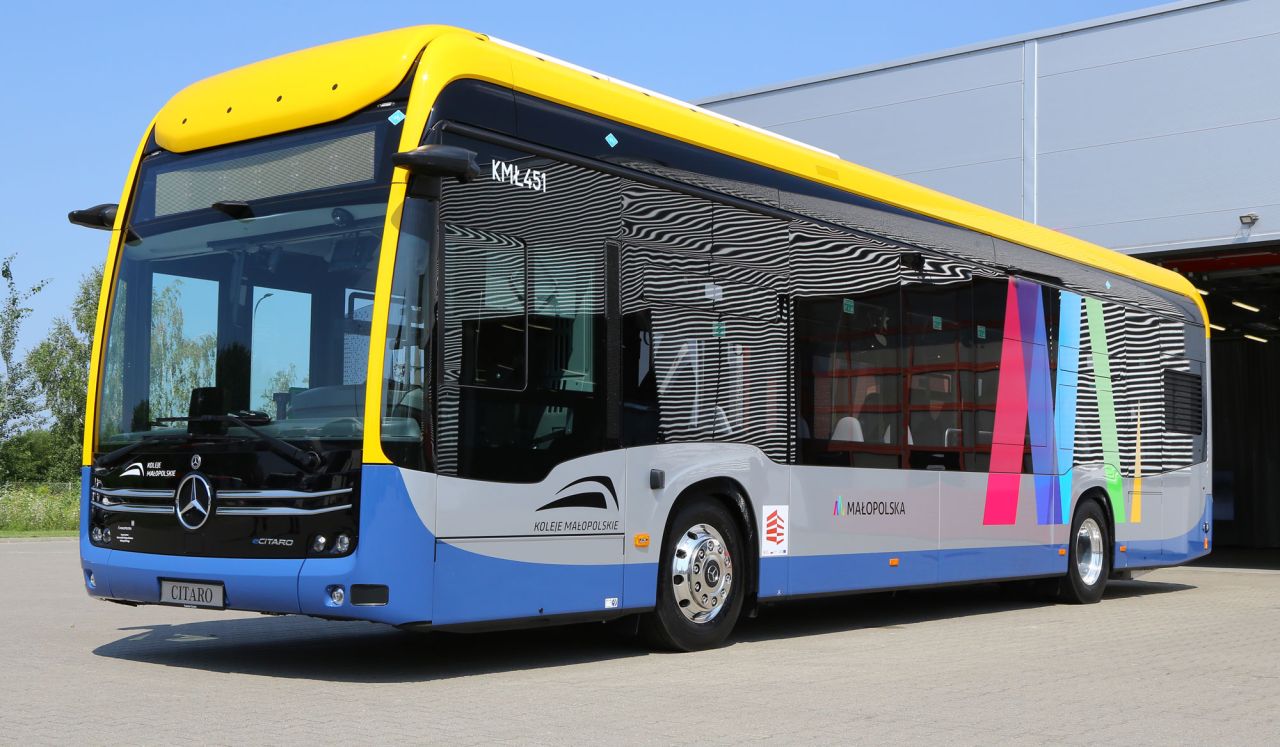
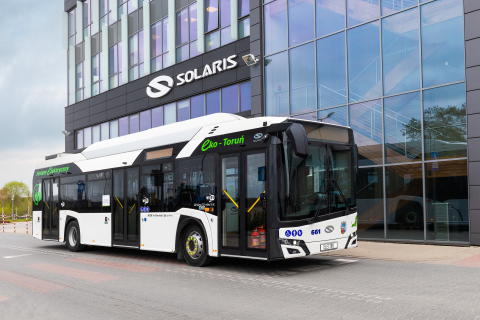
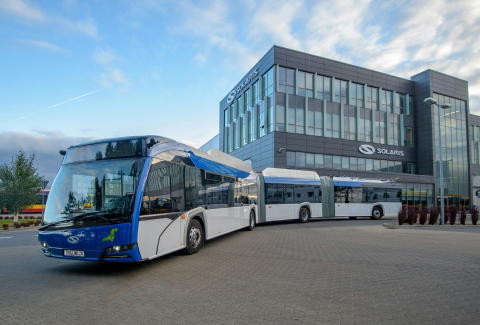
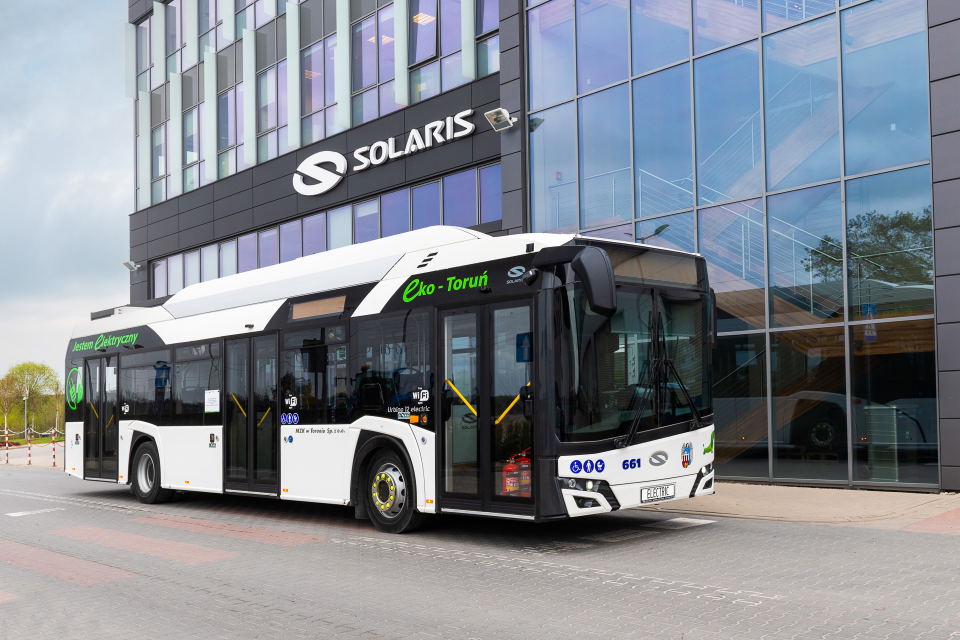
Solaris plays a decisive role in this high share of European production, and is also by far the biggest winner of the Polish bus procurements financed from the KPO. According to the official summary published on 6 August, the Bolechowo-based manufacturer will deliver a total of 721 zero-emission buses under 80 projects implemented by municipalities. That alone represents more than 40% of the entire KPO-supported vehicle volume of 1,779 units. At the same time, the programme has also provided a substantial order book for other major European manufacturers: MAN, Daimler Buses and Irizar are among the beneficiaries, while among Chinese manufacturers it is primarily Yutong that has secured a significant share of the procurements financed from the KPO.