![Magyarbusz [Info]](/mbi/header-logo.png)
608 buses, more than HUF 10 billion in losses: investigation under way into earlier Volán procurements
 Ludányi József
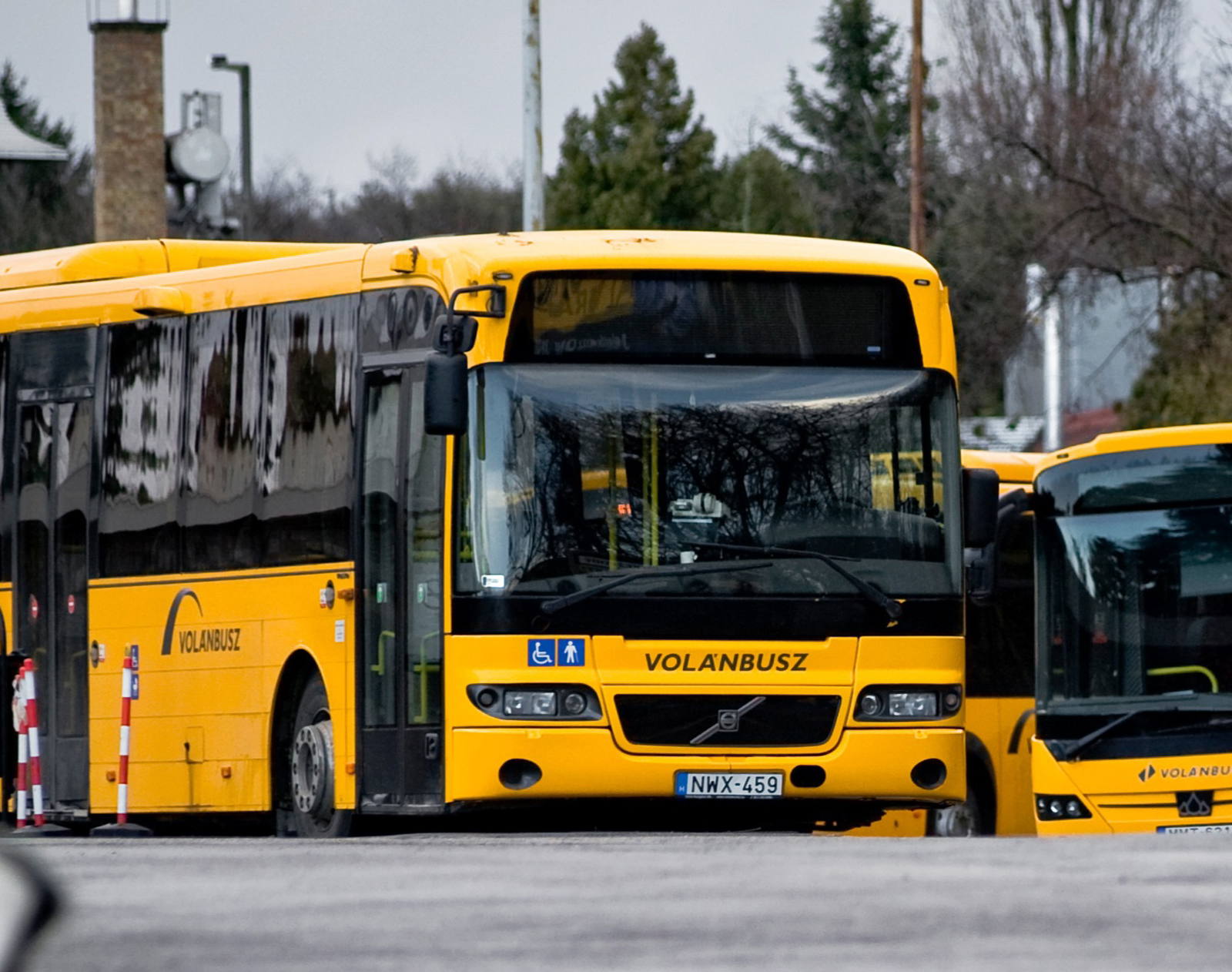
Volánbusz and its legal predecessors suffered more than HUF 10 billion in financial losses between 2015 and 2018, according to a statement issued by the MÁV Group on Friday. At the centre of the ongoing, multi-strand investigation are, among other things, purchases of used buses: according to earlier information from the National Bureau of Investigation (NNI), a total of 608 vehicle transactions are being examined, with the procurements suspected of not having served the economic interests of the regional transport centres of the time.
In its statement issued on September 18, the MÁV Group said the complex investigation involving Volánbusz and its legal predecessors concerns a wide-ranging group of cases made up of contractual relationships established and performed between 2015 and 2018 that are suspected of having been fraudulent. According to the company, these caused financial losses exceeding HUF 10 billion to the group as a whole, and indirectly to the Hungarian state.
According to MÁV, the new management that took over after the departure of Volánbusz’s previous leadership identified problems with the legal relationships created in the preceding period. The statement describes these as “intricate structures likely to be contrary to good morals”. The new management terminated the contracts concerned, suspended further payments and took the necessary legal steps, which led to both civil lawsuits and criminal proceedings.
In the case, complaints were filed by the Government Control Office, Volánbusz Zrt. – by then operating with nationwide competence – and Volán Buszpark Kft.; the latter company was merged into Volánbusz in 2021.
Procurement of 608 used buses under investigation
More detailed information on the bus-related aspects of the case was released on September 10 by the National Bureau of Investigation of the Rapid Response Police. According to the NNI, criminal proceedings have been under way for years on the basis of complaints filed by the Volán companies, on suspicion of breach of fiduciary duty causing particularly significant financial loss, and a dedicated investigative team was set up this summer to fully uncover the case.
According to the investigating authority’s data, the state-owned Volán companies may have suffered financial losses of around HUF 10 billion between 2015 and 2018 as a result of overpriced purchases of used buses. The authority is examining the procurement of a total of 608 vehicles. The NNI suspects that these transactions were carried out not with the economic interests of the transport centres concerned in mind, but in line with individual interests.
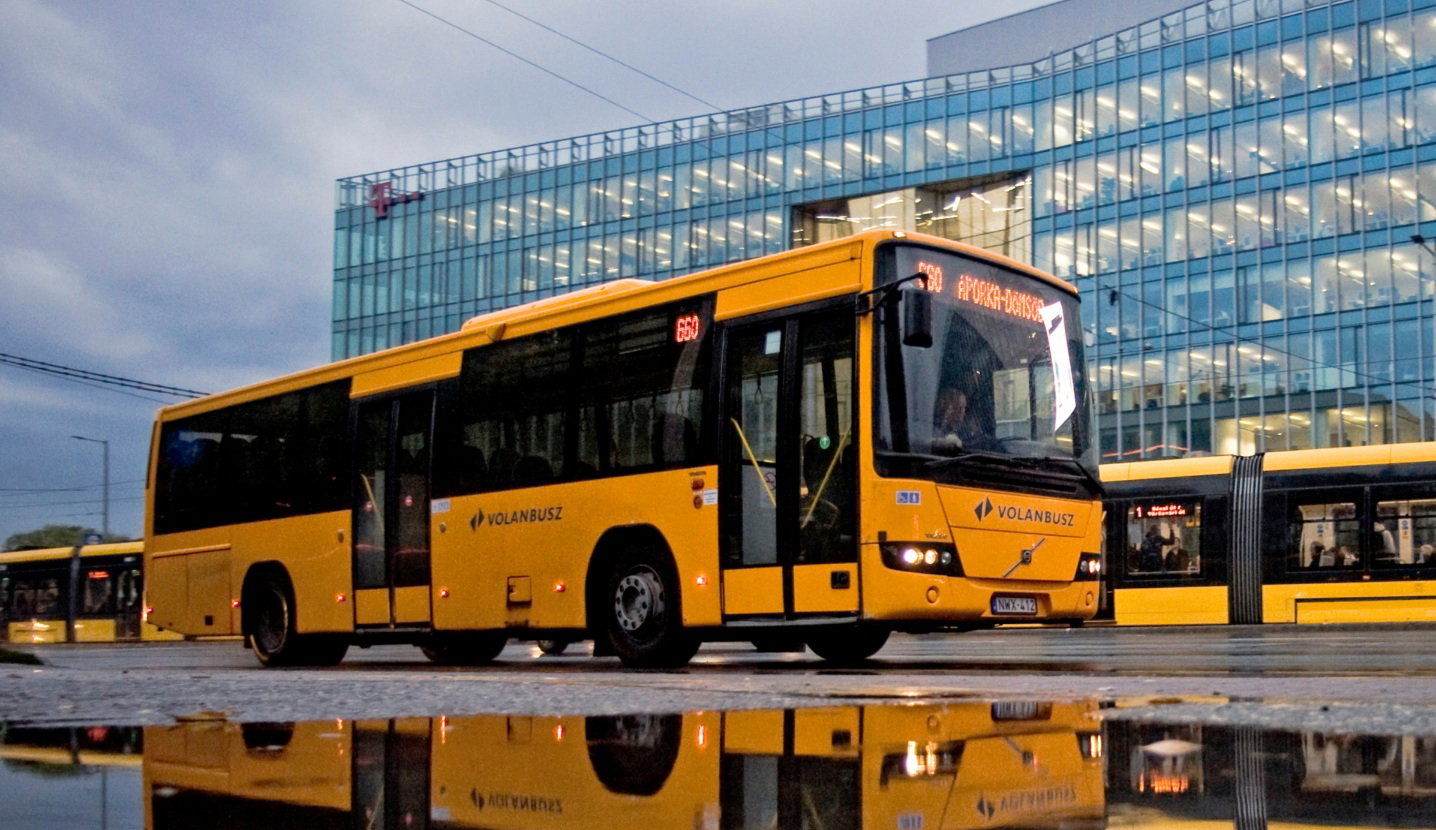
The investigation is therefore not focused on a single bus procurement, but on numerous transactions from the 2015–2018 period. During this time, the former county-level Volán companies were already operating within the framework of the six regional transport centres established at the beginning of 2015. According to official summaries from the period, 155 new and 196 used buses were procured between 2015 and 2016, followed by a further 321 new and 454 used buses between 2016 and 2018. Taken together, the figures for the two periods show that 650 used vehicles entered the companies’ fleets, while additional vehicle capacity was also secured through subcontractors and leasing arrangements. Against this background, it is particularly telling that the NNI is investigating the procurement of 608 used buses: if the two figures refer to the same procurement scope, this represents around 94 percent of the used vehicles acquired in that era, meaning that practically the entire used-bus procurement stock of the period could be affected by the investigation.
Volán Buszpark Kft. played an important role in the procurement of used buses, acquiring vehicles for the Volán Group and then making them available to the transport companies. Between May 2016 and September 30, 2019, the ownership of Volán Buszpark consisted of Volánbusz Zrt. and the regional transport centres established by the state – DAKK, KMKK, ÉNYKK and DDKK. The ownership rights due to the Hungarian state over both Volánbusz and the regional transport centres, as well as over Volán Buszpark through them, were exercised by Magyar Nemzeti Vagyonkezelő Zrt., the Hungarian National Asset Management company.
Real estate transaction also under scrutiny
The proceedings, however, are not limited to bus procurements. According to the NNI, the purchase of the Kecskemét headquarters of one of the Volán companies may also have been overpriced, which, according to the investigating authority’s data, caused a financial loss of at least HUF 550 million on its own.
Based on earlier public information, the Kecskemét headquarters referred to in the NNI statement is the property complex at 1 Fuvar Street. What is more, the site was already being used before its purchase by Autó Univerzál Kft., a joint subsidiary of DAKK Zrt. and Volánbusz Zrt.: in 2016 it leased the property from a private company which at that time was not itself the owner of the site, but held it as a tenant. The two lease relationships also began on the same day, meaning the private company sublet the site to Autó Univerzál on the very day it leased it itself. In November 2016, that company purchased the property for EUR 2.5 million, roughly HUF 764 million at the exchange rate of the time, and then sold it on barely two months later for HUF 1.3 billion to DAKK Dél-alföldi Közlekedési Központ Zrt., which had been created through the merger of Kunság Volán, Tisza Volán and Körös Volán.
At the time, the purchase was justified, among other things, on the grounds that the site would provide additional capacity needed for bus repairs and the storage of spare parts. The property, however, proved unsuitable for this purpose as well: because of the layout of the halls, buses could not fit inside them, and the affected parts of the building were later not used for this purpose.
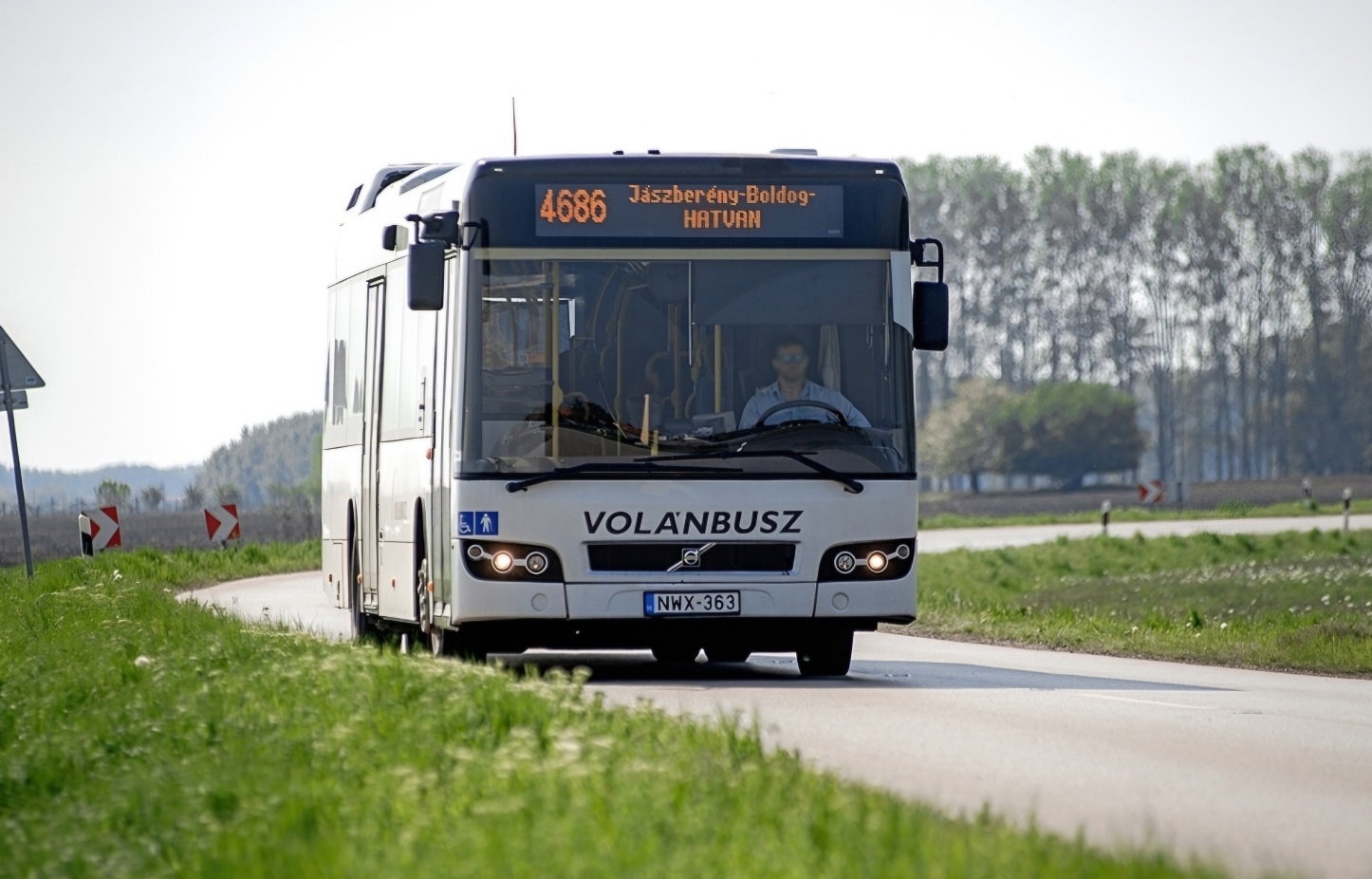
The authority suspects that part of the money derived from the bus procurements and the Kecskemét real estate transaction was channelled to other companies through intermediary businesses and sham loan agreements. According to the NNI, the background included the financing of real estate projects in Budapest, Balatonvilágos and Törökbálint, while cash withdrawals exceeding HUF 1 billion and the purchase of a high-value car are also being examined.
On September 10, the NNI named eight former executives as suspects in the case, including the former chief executive of Magyar Nemzeti Vagyonkezelő Zrt. The suspicions relate to breach of fiduciary duty causing particularly significant financial loss, as well as money laundering involving an especially large amount or more. The investigation is still ongoing, and the police have indicated that further suspects may be named. It is important to emphasise that at the current stage of the proceedings these are suspicions, and no final court ruling has been made on criminal liability.
MÁV wants to recover the money
The latest statement also makes clear that the legal successors of the Volán Group do not consider the financial side of the case closed. According to the MÁV Group, its companies are using all civil-law tools at their disposal to ensure that the more than HUF 10 billion in losses is recovered, and they are fully cooperating with the investigating and prosecuting authorities. MÁV, however, citing the interests of the ongoing proceedings, did not disclose further details.