![Magyarbusz [Info]](/mbi/header-logo.png)
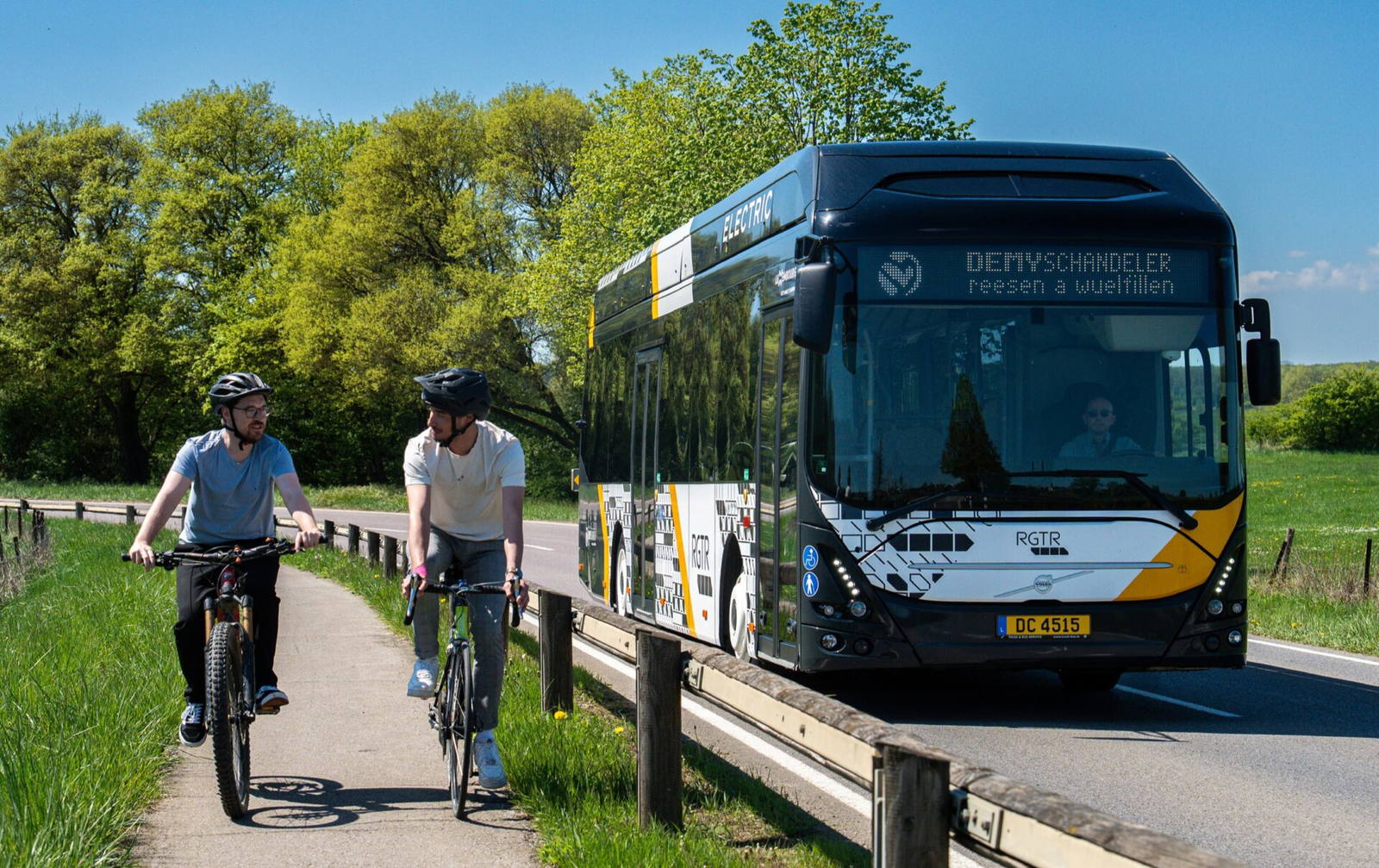
Buying electric buses is not enough: how Demy Schandeler is building a complete energy system
 Ludányi József
Procuring electric buses is only the first step towards the decarbonisation of public transport. Truly sustainable operation now goes far beyond electrifying vehicles: it is becoming increasingly important where the electricity needed to operate them comes from, how it is generated and stored, and to what extent operators can rely on their own energy production and intelligent energy management. This is the approach being followed by Demy Schandeler, one of Luxembourg’s largest bus operators, which has taken another important step towards implementing its comprehensive energy strategy.
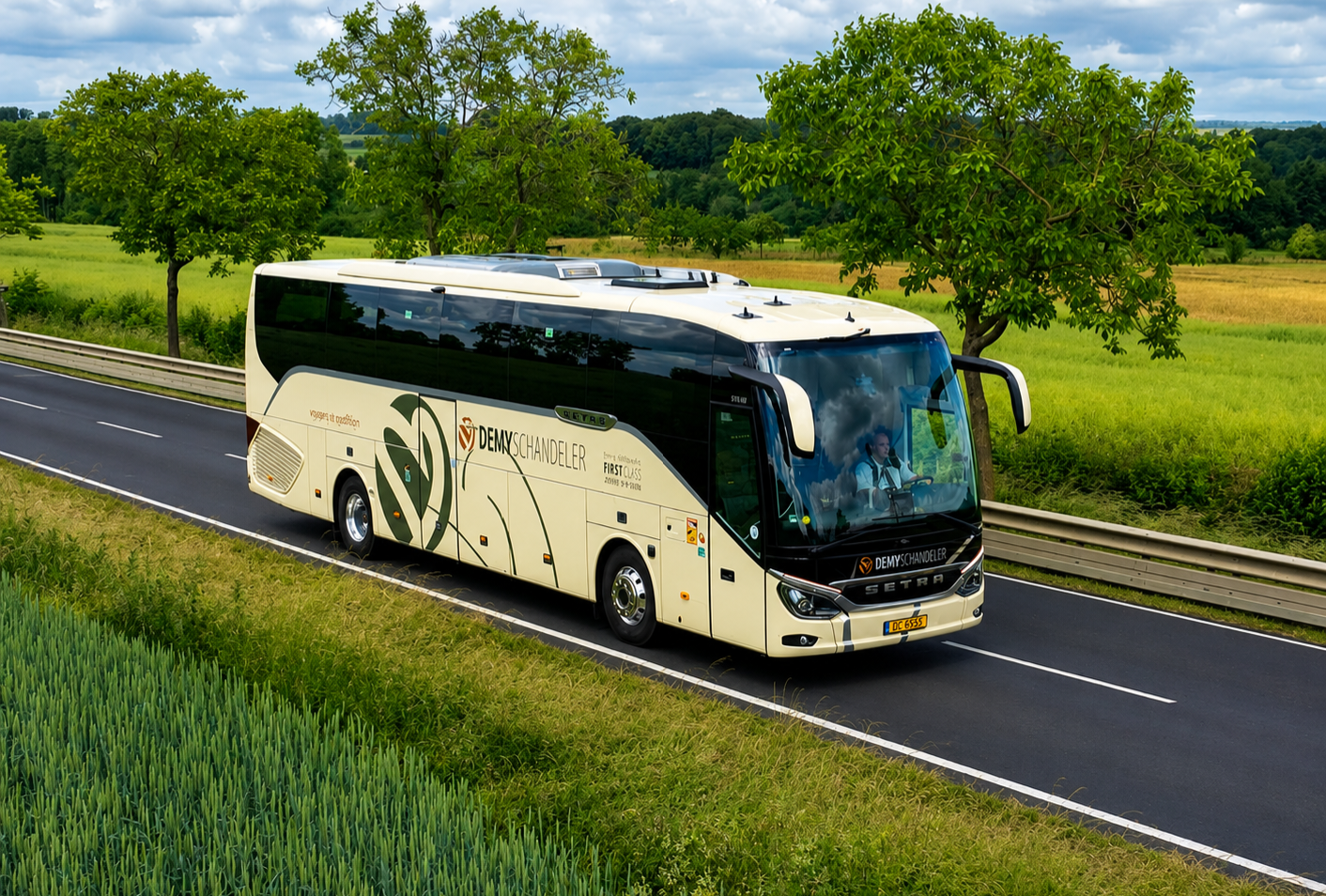
Founded in 1949 and still family-owned, Demy Schandeler operates scheduled bus services, school bus transport, charter services and tourist coach trips, and has grown into one of Luxembourg’s key public transport providers. The company operates a fleet of nearly 250 buses and, through major investments in recent years, has become one of the local pioneers of electromobility, while gradually transforming not only its vehicle fleet but also its entire energy supply system.
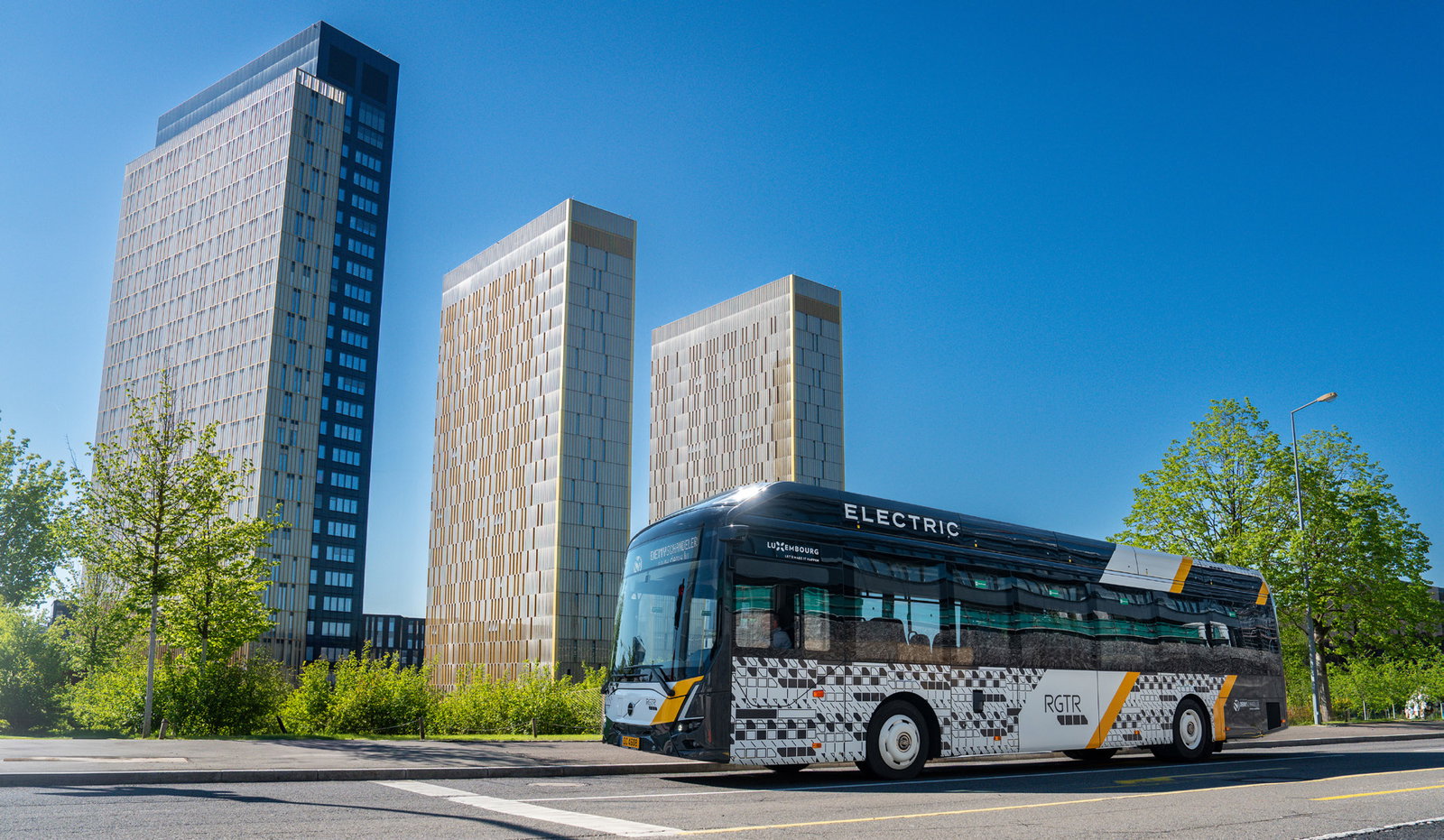
The company has recently signed a new electricity purchase agreement with energy supplier Enovos. As a result, its electric buses and depots will in future use only certified electricity from 100% renewable sources.
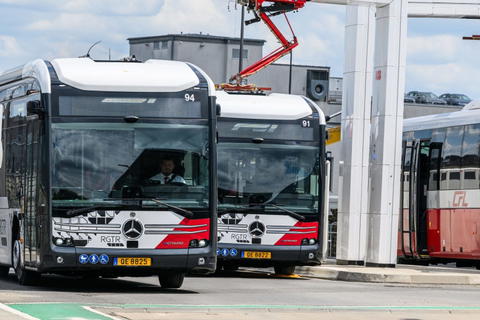
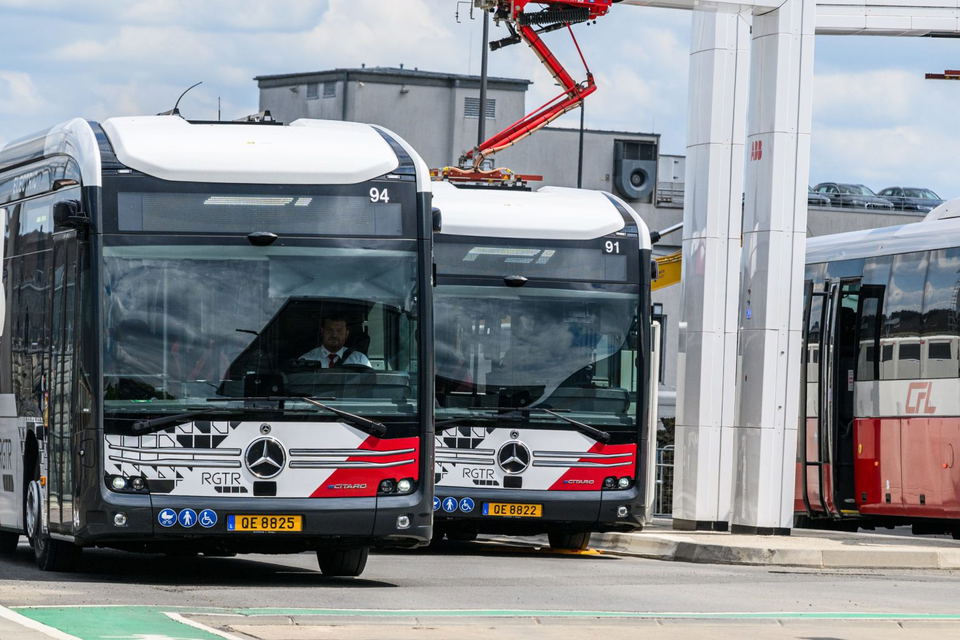
Demy Schandeler currently has 69 electric buses in its fleet, which have so far covered more than 16 million kilometres in fully electric operation. Annual electricity consumption is close to 4 GWh, which, according to the company’s calculations, saves around 5,150 tonnes of carbon dioxide emissions each year compared with diesel operation delivering the same performance.
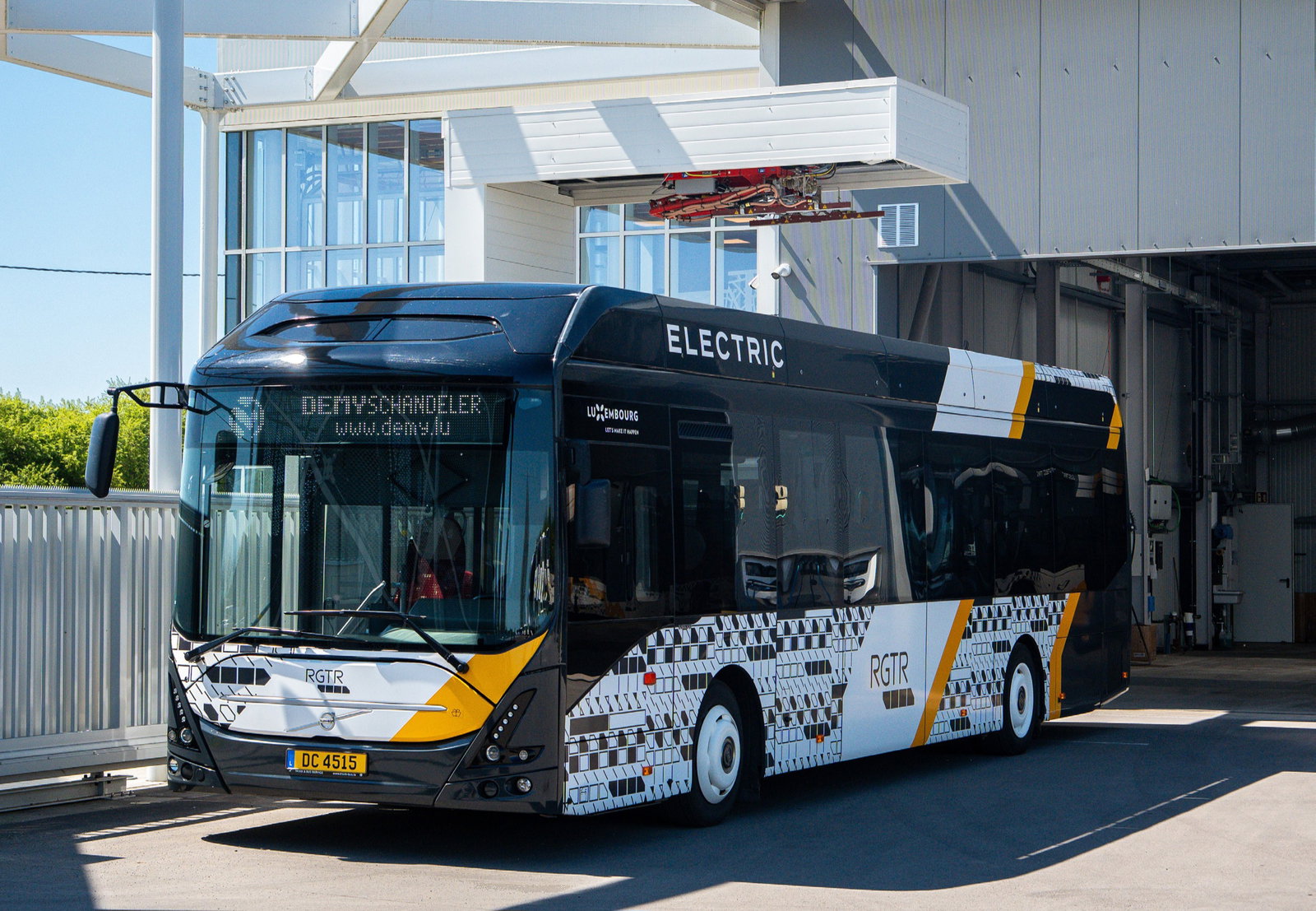
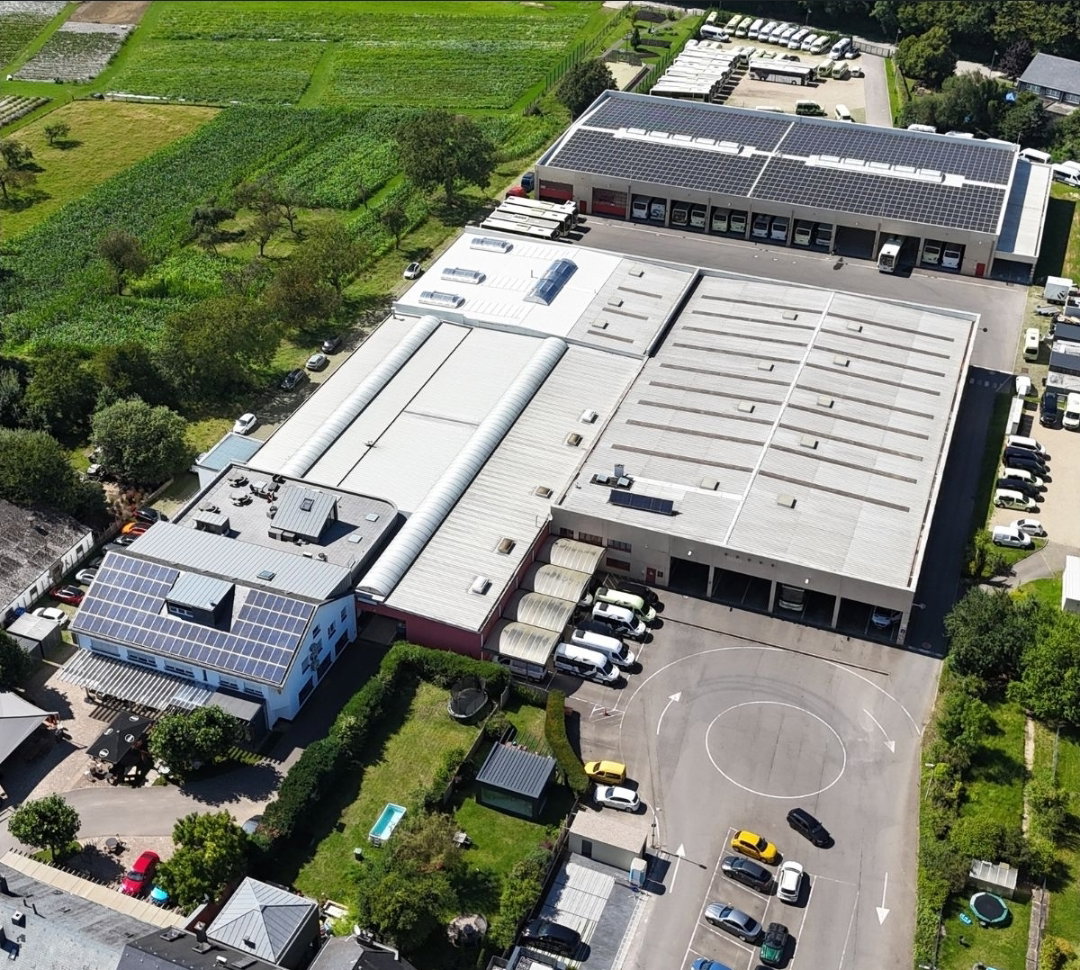
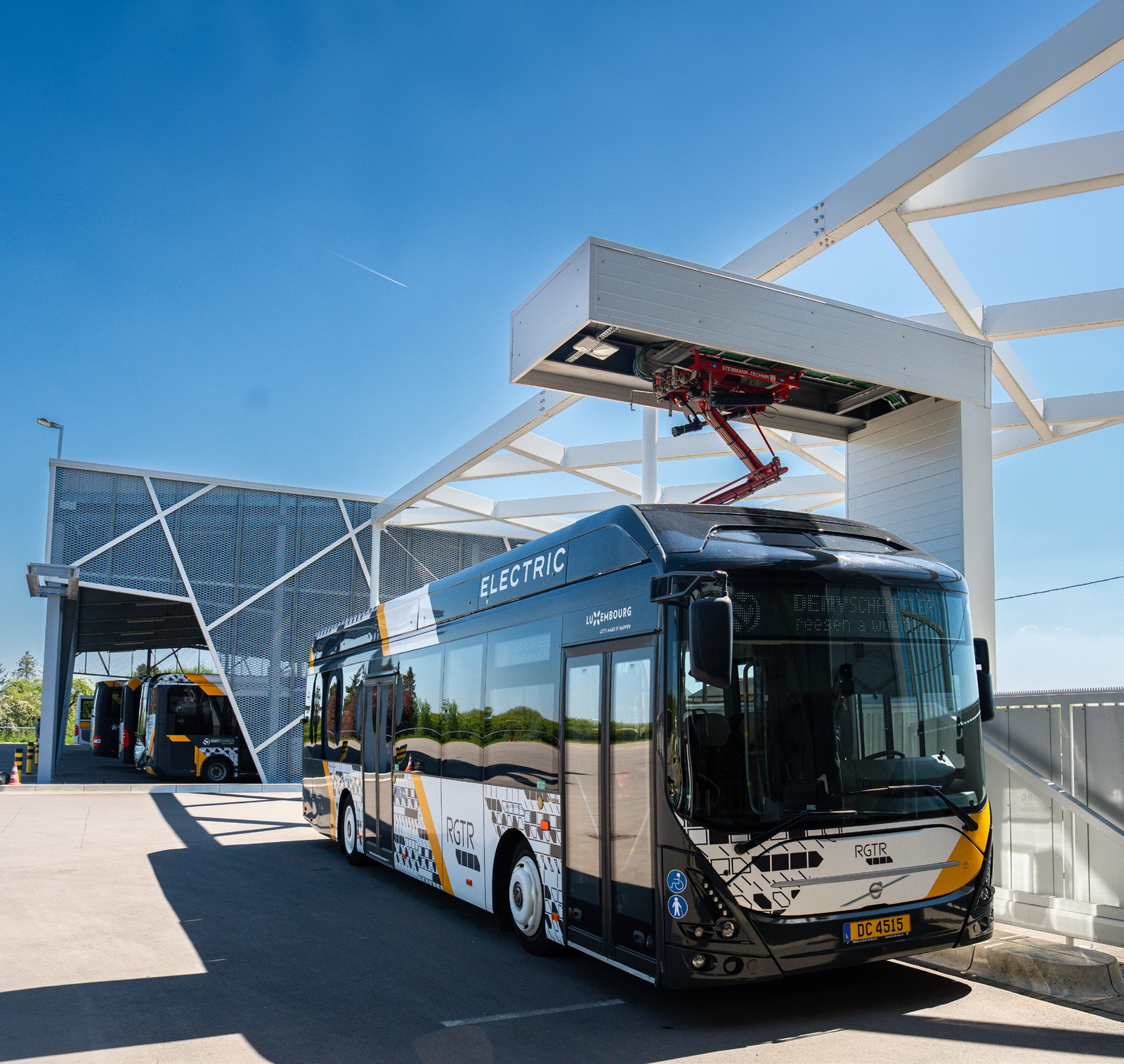
The agreement announced now, however, is only another element of a comprehensive energy strategy that the company launched several years ago. In 2019, it opened its modern bus depot in Keispelt, designed from the outset with sustainable operation in mind. The A+ energy-rated facility was built with a roof-mounted photovoltaic system, modern electric-bus charging infrastructure, energy-efficient technical solutions and a rainwater recycling system. The same year also saw the company’s first fully electric buses enter service, laying the foundations for its electrification programme.
Development has continued steadily since then. The company’s long-term goal is to achieve net-zero emissions by 2050, with the gradual electrification of the vehicle fleet as one of its most important pillars. Under the strategy, at least 25% of the fleet will consist of electrically driven vehicles by 2035, with the pace of transition determined by the energy demand of individual routes, the range of electric buses, Luxembourg’s geographical and climatic conditions, and the development of charging infrastructure. According to the roadmap for 2024 to 2030, the company aims to increase the share of electric vehicles by an average of around 5 percentage points per year, while implementing new photovoltaic projects, converting its depots to LED lighting and continuously developing its environmental programme.
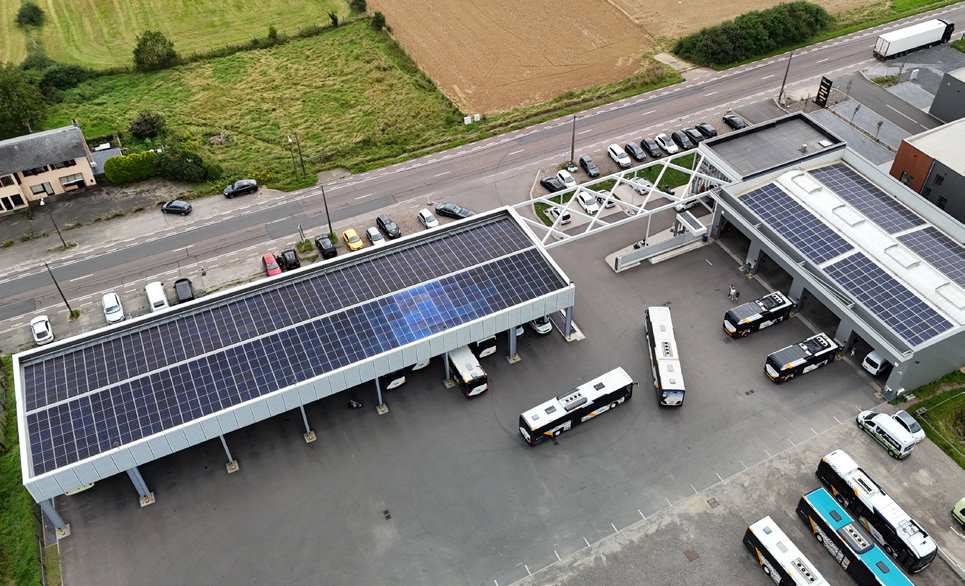
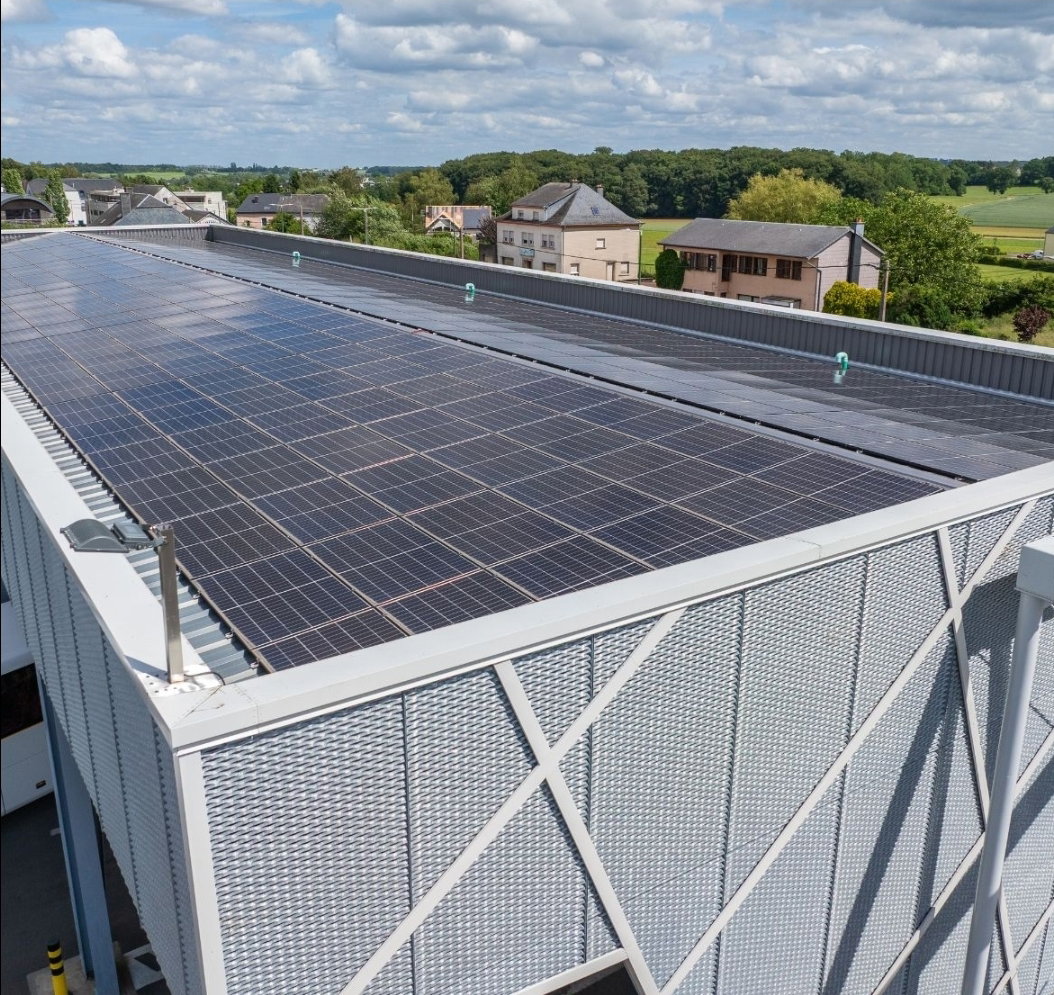
At the same time, the investments are not focused solely on the procurement of electric buses. By 2030, Demy Schandeler will spend around €3 million on developing its energy infrastructure, including the further expansion of photovoltaic systems, the development of electric-bus charging infrastructure and improvements to depot energy efficiency. A total of more than 3,400 square metres of photovoltaic systems are currently in operation at the company’s Keispelt and Eischen sites. Its own solar installations have generated nearly 200,000 kWh of electricity per year in total: 186,000–187,000 kWh of this is linked to the Keispelt depot, with the remainder coming from the Eischen site. As part of the strategy, the charging infrastructure is also being continuously developed, with further charging points planned in cooperation with local municipalities.
In addition to electrification, the company is also placing strong emphasis on reducing the environmental impact of its existing diesel-powered vehicles. To this end, it plans to use 350,000 litres of HVO100 renewable biofuel annually, which could replace around 23.3% of the total diesel consumption at the Keispelt and Eischen depots. This will further reduce the use of fossil fuels even during the transition period, while the electric fleet continues to expand.
Once the investments currently under way are completed, the combined installed capacity of the photovoltaic systems operating at Demy Schandeler’s depots will exceed 1.5 MWp. In addition, a long-term wind power purchase agreement (PPA) will also secure the fleet’s energy supply. The essence of this type of arrangement is that the company contracts part of its electricity needs directly from a renewable energy producer for many years in advance, ensuring both predictable energy prices and electricity guaranteed to come from renewable sources.
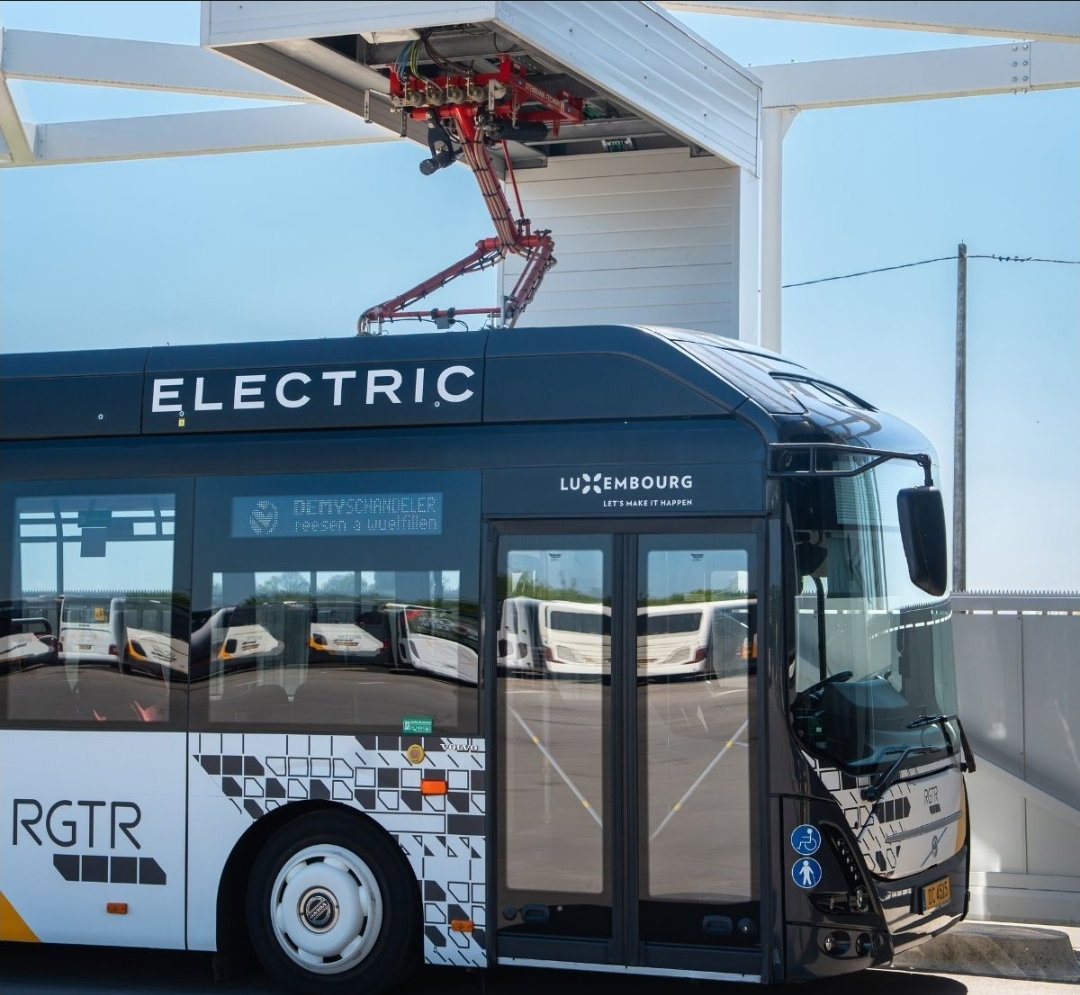
One of the most interesting elements of the strategy is the planned second-life battery energy storage system. As part of a dedicated programme, the company is examining the reuse of batteries removed from first-generation electric buses, which would be given a new role as stationary energy storage units. The system would store electricity generated by the photovoltaic installations that cannot be used immediately, then make it available when the buses are being charged. This would not only help reduce charging peak loads and relieve pressure on the electricity grid, but would also significantly increase the share of self-generated renewable energy that can be utilised.
Digitalisation also plays an important role in optimising the company’s operations. Demy Schandeler uses the Webfleet fleet management system, which allows it to continuously analyse drivers’ driving styles and energy consumption, optimise services and reduce dead mileage. The data generated by the system also contributes to achieving the company’s emissions-reduction targets.