![Magyarbusz [Info]](/mbi/header-logo.png)
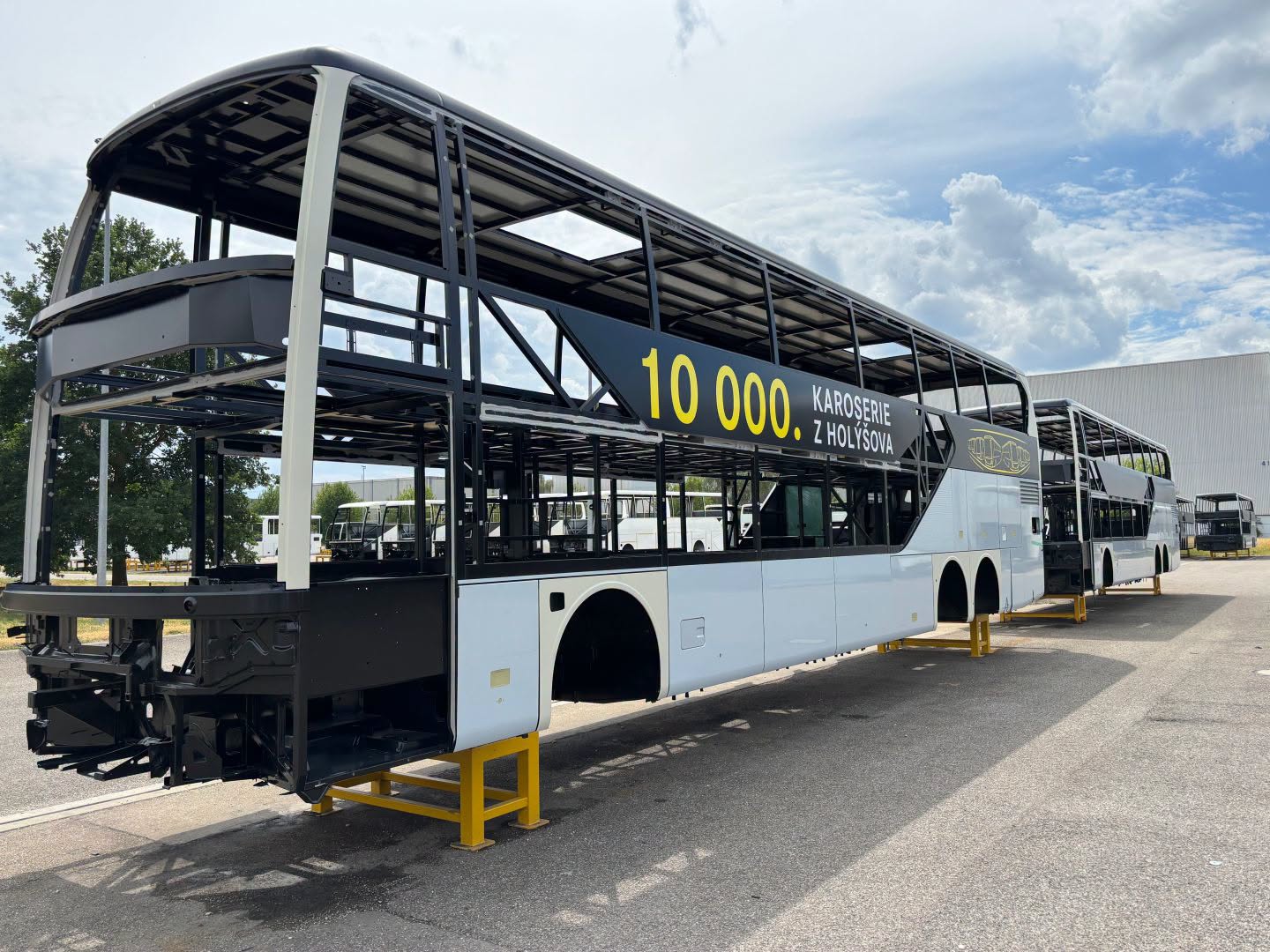
The ten-thousandth bus body has been completed at Daimler Buses’ Czech plant
 Ludányi József
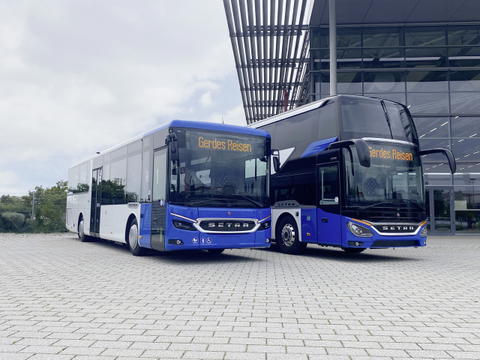
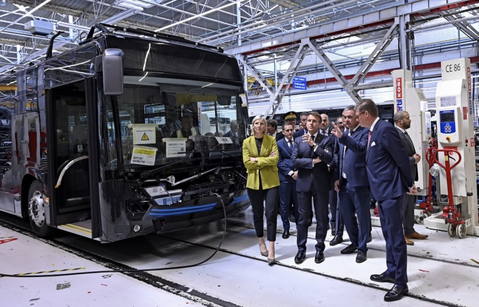
Daimler Buses’ production base in the Czech Republic has reached an important milestone: the plant in Holýšov has completed its ten-thousandth bus body. The anniversary unit — perhaps surprisingly to many — is the body structure of a Setra S 531 DT. The reason is that Daimler Buses has not built the body of this model at the Setra plant in Neu-Ulm, Germany, for several years; instead, it is produced at the company’s Holýšov facility in the Czech Republic, from where the completed bodies are then transported to the final assembly site.
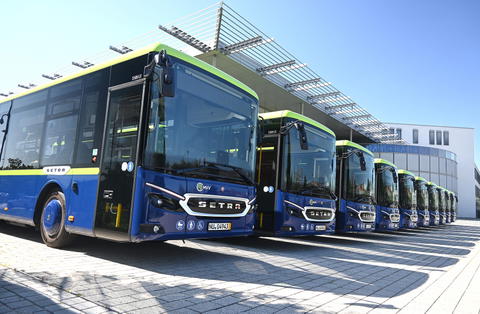
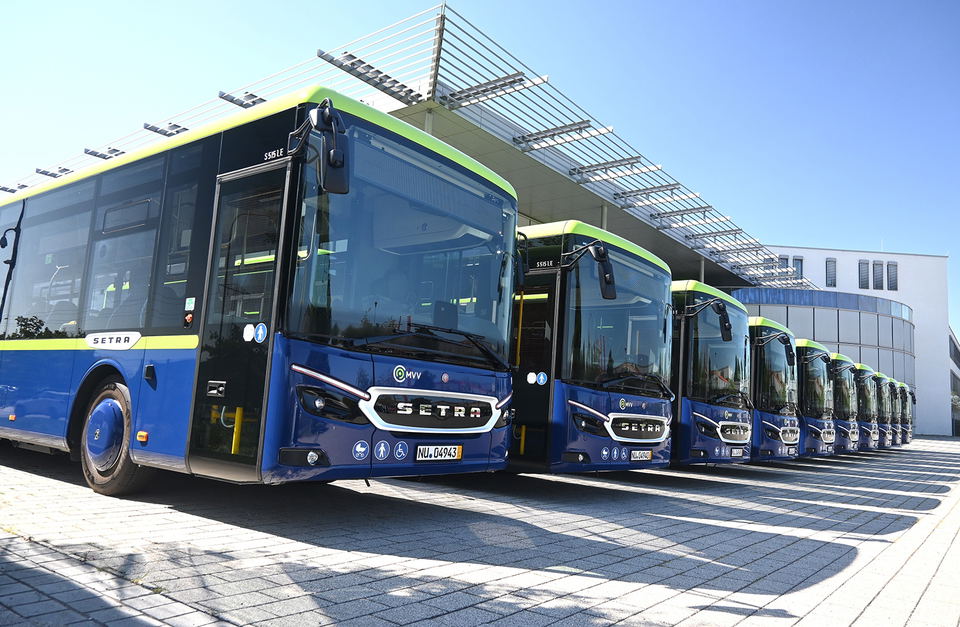
The role of the Holýšov plant, however, is not limited to the double-deck Setra S 531 DT. In practice, the bodies of almost all Setra buses finally assembled in Neu-Ulm are produced here and, as the final step in the production process, receive cathodic dip-coating (KTL) corrosion protection. The finished body frames are then transported via Nuremberg to the Neu-Ulm plant, around 350 kilometres away. The frames first arrive at one of Daimler Buses’ most advanced paint shops in Europe, which, with its ten paint booths — including four fully automated robot cells — is capable of painting up to 8,000 bodies a year. The facility not only serves assembly in Neu-Ulm, but also paints bodies destined for the plants in Mannheim and Ligny-en-Barrois in France. After painting, the Setra bodies move to the assembly line, where final assembly takes place: the driveline and major units are installed, the interior is fitted out, and the vehicle is fully completed. From the start of preparation, it takes an average of six and a half days for a painted body frame arriving from Holýšov to become a fully fledged bus, after which it also undergoes comprehensive quality inspection.
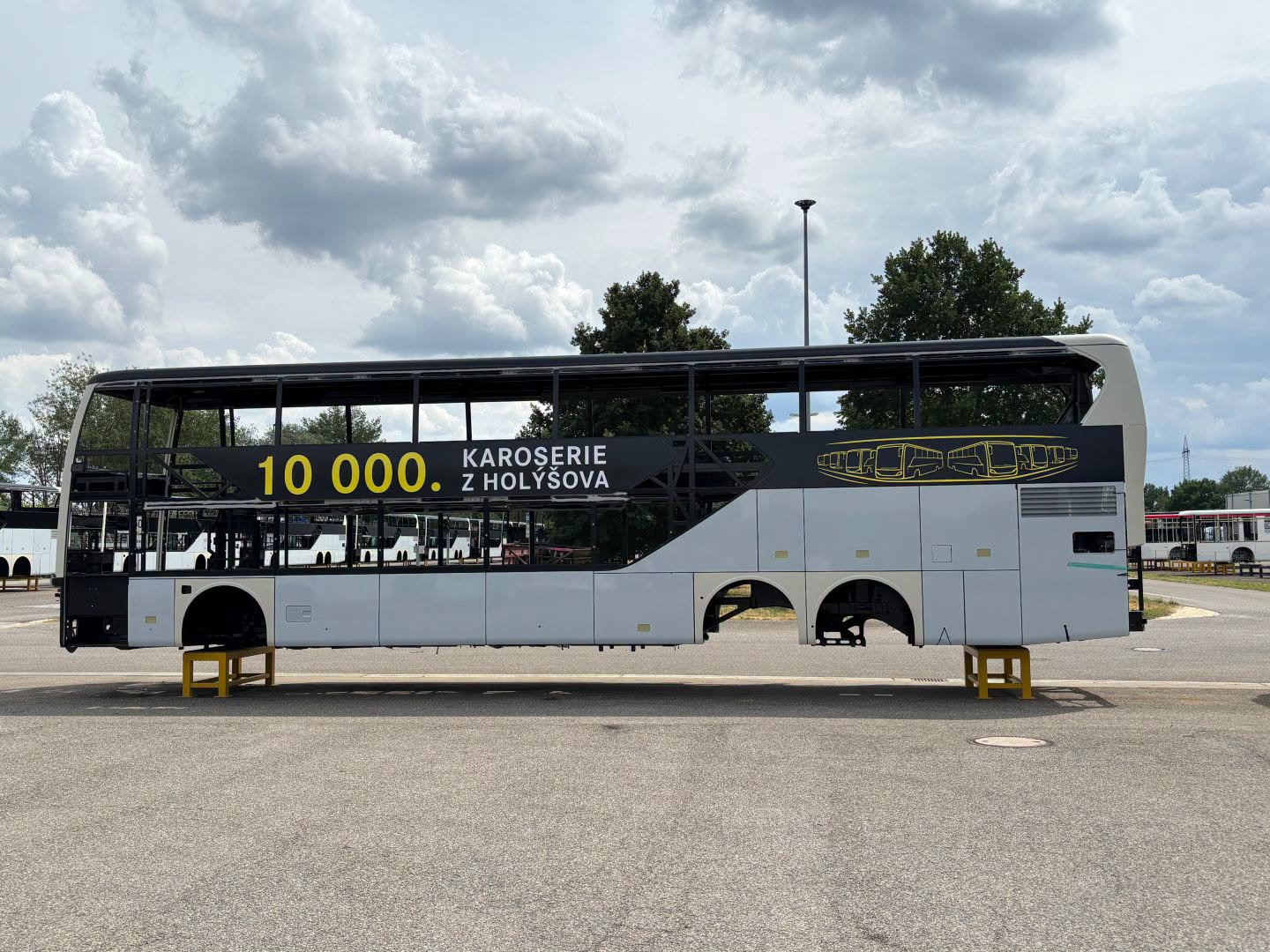
The significance of the Czech plant is not limited to the production of Setra bus bodies. The facility also manufactures body elements and body segments for Mercedes-Benz city buses, which are shipped to the plants in Mannheim and Ligny-en-Barrois in France for final assembly.
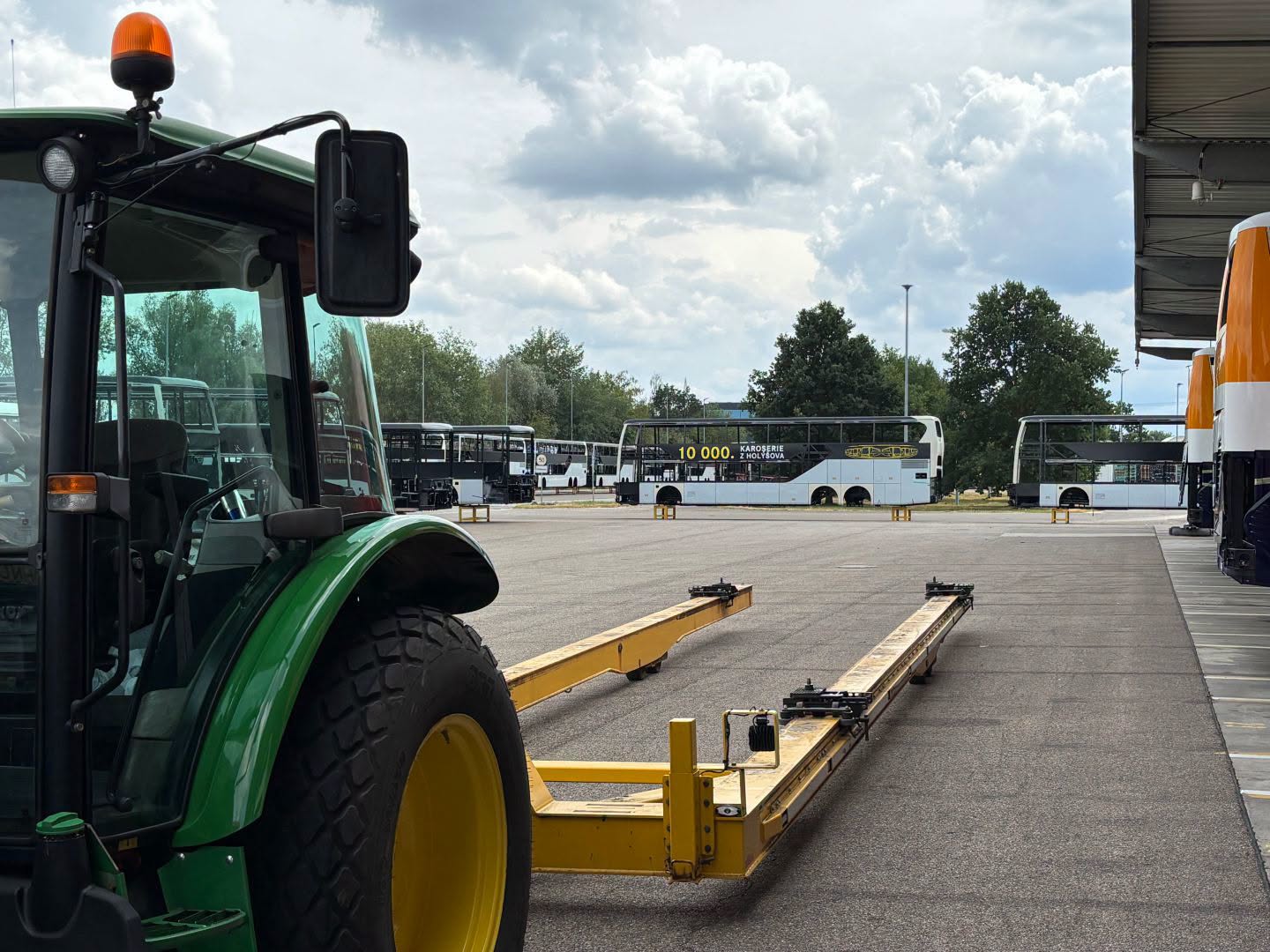
All this is also interesting from a historical perspective, as Holýšov, Neu-Ulm and Ligny-en-Barrois are all part of Daimler Buses’ Setra heritage. The three plants became part of the bus division of Mercedes-Benz AG in the mid-1990s, with the acquisition of the Kässbohrer Group. While today the French plant in Ligny-en-Barrois is dedicated exclusively to the final assembly of Mercedes-Benz Citaro and eCitaro buses — and, in future, the eIntouro as well — Holýšov has become one of the most important production centres for bodies and body components. In a sense, Setra bodies still arrive in Neu-Ulm “from home”, as they are built at another former Kässbohrer facility within the same historic production network.
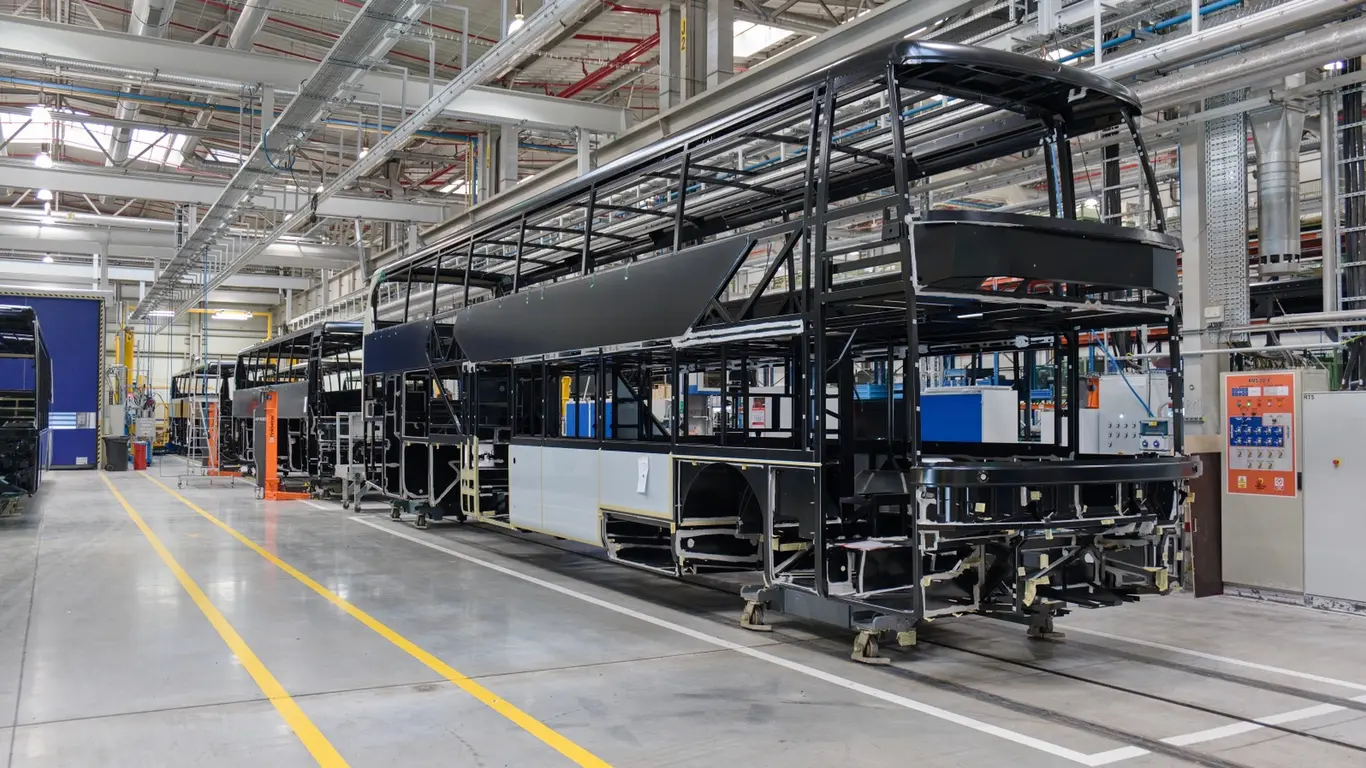
The importance of the Holýšov plant is set to grow further in the coming years. Under an earlier decision by Daimler Buses, from 2028 all European bodies for Mercedes-Benz and Setra buses will be produced there, meaning that the completed frame structures for the Mannheim, Neu-Ulm and Ligny-en-Barrois plants will all come from Holýšov. The move is part of a reorganisation of the European production network, which Daimler says is intended to reduce manufacturing costs, make more efficient use of capacity and safeguard the long-term competitiveness of its German plants.