![Magyarbusz [Info]](/mbi/header-logo.png)
Volvo Buses to restart production of 9700 series coaches this year
 Ludányi József
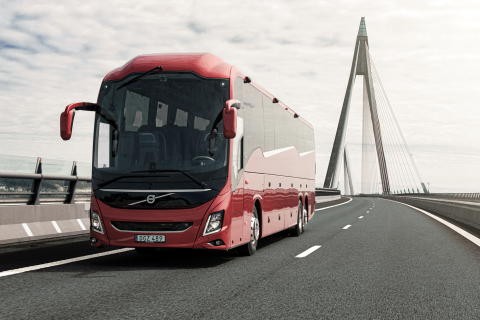
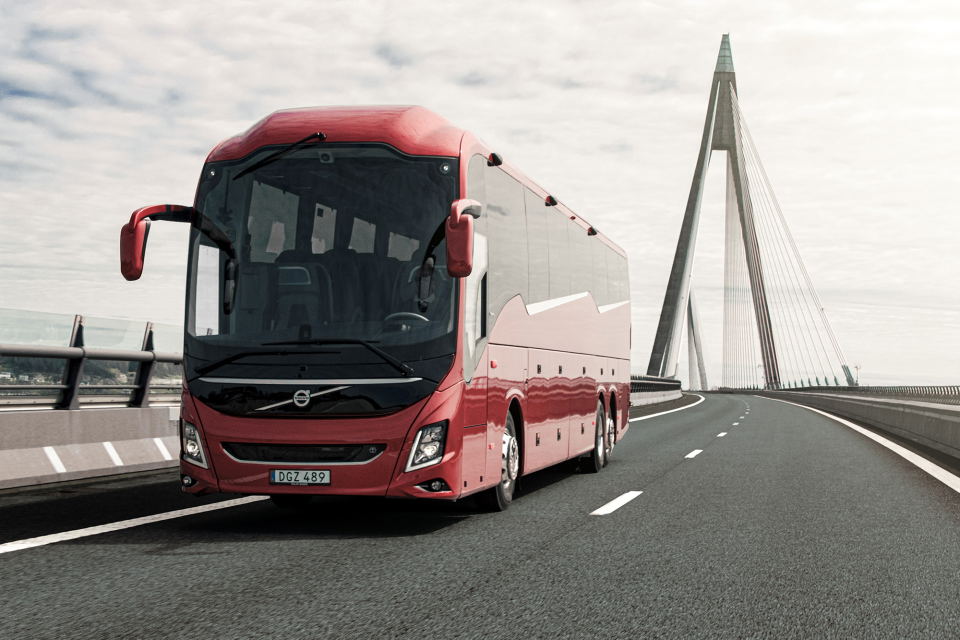
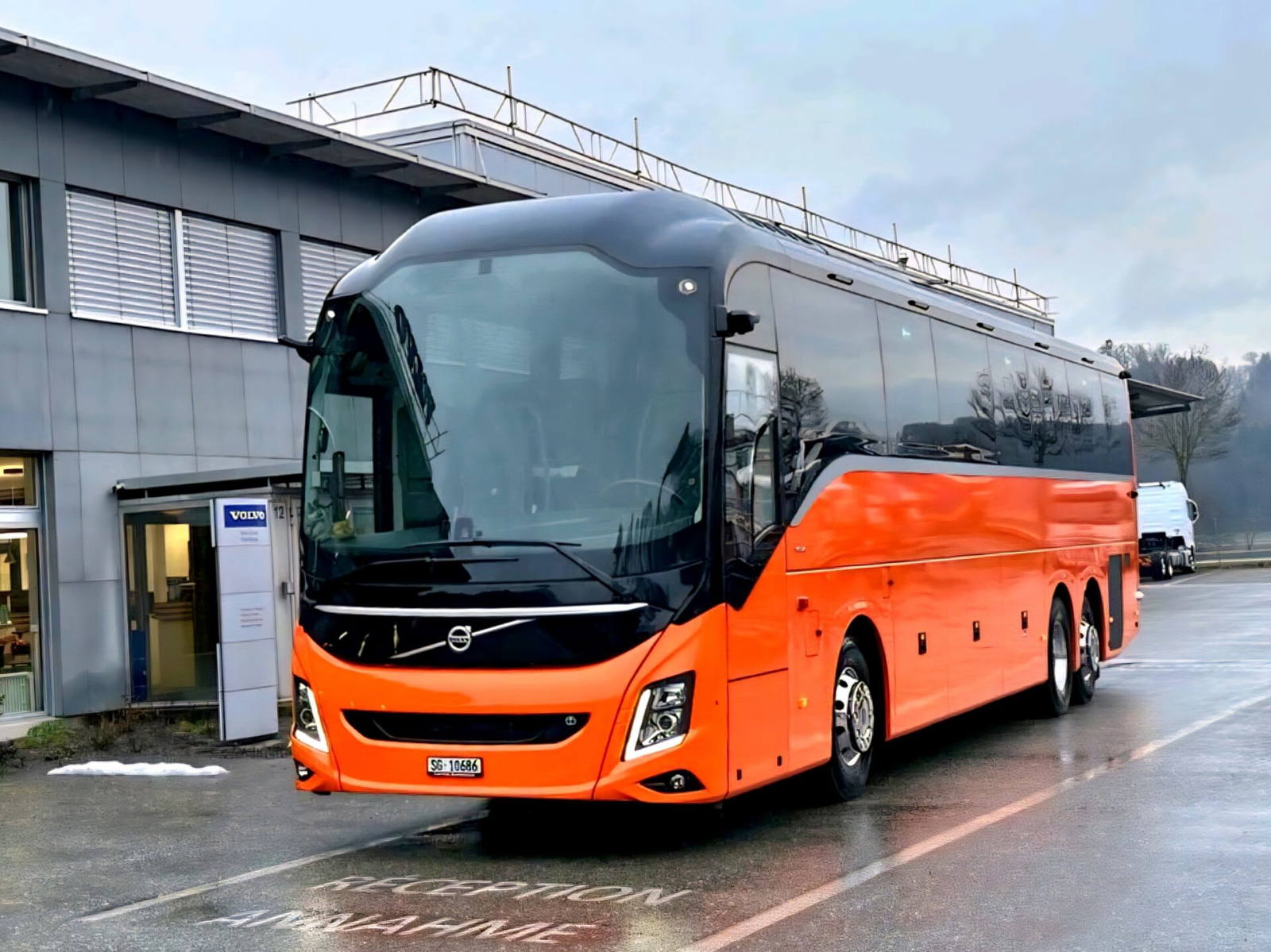
The current generation of the single-deck version of the Volvo 9700 coach, introduced in 2018, will soon return to the production line, although the resumed production will no longer take place in Europe: the model will in future be built at Volvo Buses’ plant in Mexico. Deliveries of the first units destined for the Old Continent are expected to begin in the final quarter of 2026. The type had previously been particularly sought after in Europe, but series production has been suspended since early 2024, following the closure of Volvo Buses’ bus factory in Poland.
Volvo Buses is currently working at full capacity to restart series production of the Volvo 9700 coach for the European market, a model previously manufactured in Poland. In future, however, the third-generation 9700 will be produced not in Europe, but at the company’s own plant in Tultitlán, Mexico. The restructuring follows the collapse in September 2024 of the planned partnership with Spanish company Sunsundegui for the production of the 9700/9900 model pair. Volvo ultimately withdrew from the cooperation officially because the excessive complexity of the project, together with the related additional investment required, would not have made the agreement economically sustainable. According to the manufacturer, the Spanish partner was also unable to fully meet the expected quality and production requirements.
As Volvo was unable to find a suitable partner to continue production in Europe – owing to the complexity of the new generation, even Finland’s Carrus Delta Oy, which acts as a contract manufacturer for the double-deck Volvo 9700 DD and the still-in-production second-generation Volvo 9700H UpGrade, declined to build the latest 9700 series – the company changed strategy and transferred series production of the 9700, the more popular model on the European market, to its Tultitlán plant in Mexico, while the higher-prestige 9900 flagship model with its theatre-style sloping floor looks set to disappear from the range. The Mexican facility has all the expertise and technological background needed for series production of the 9700 – something also supported by the experience gained in manufacturing the Volvo 9800 sister and predecessor model for the Mexican market, which is closely related to the 9700 not only in its exterior styling cues but also in terms of its structure.
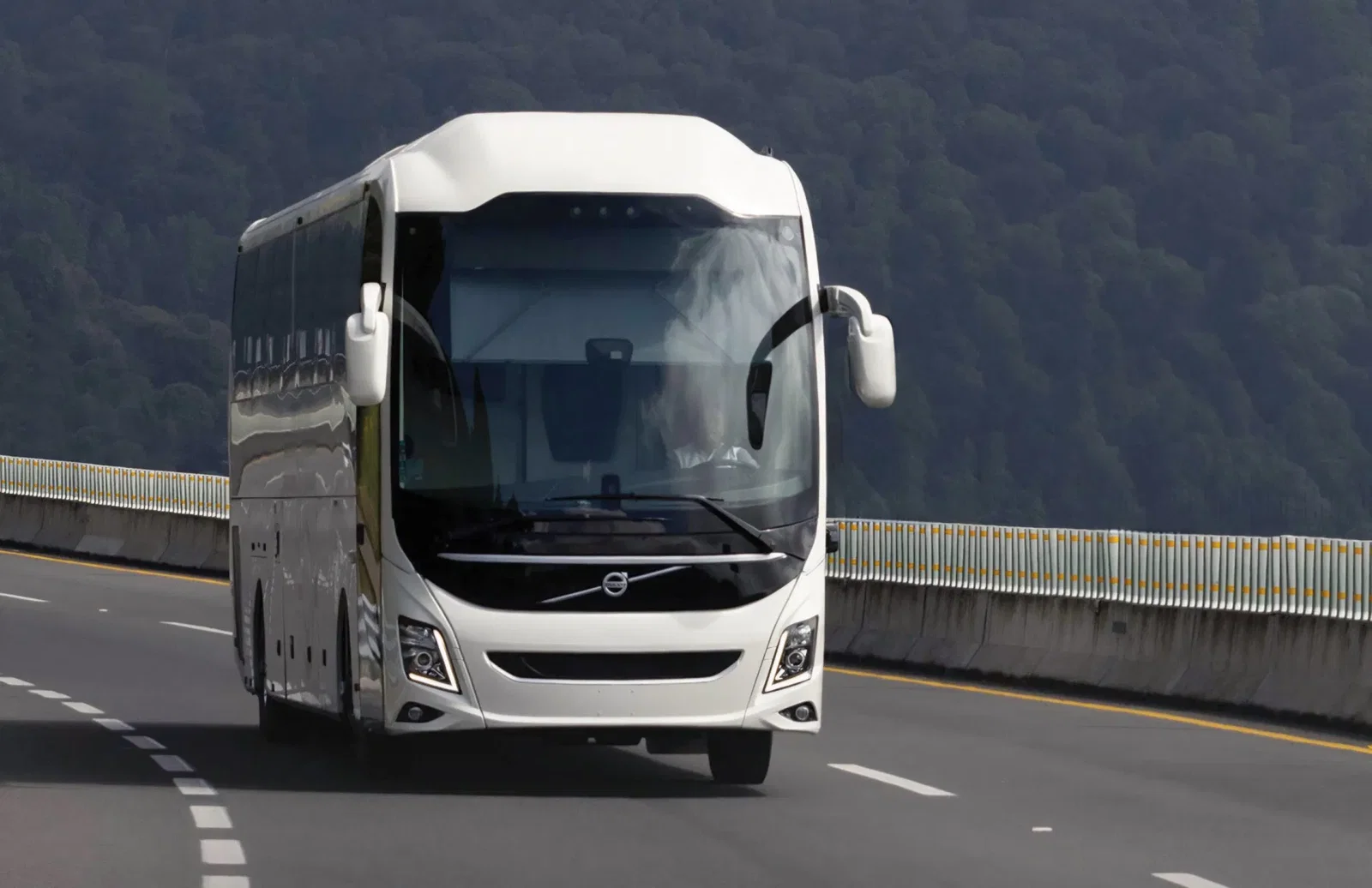
The Volvo 9800 reserved exclusively for Mexico: in line with local regulations, the type is 50 mm wider than what we are used to here, while its height of 3,850 mm is the same as that of the European Volvo 9900
In response to our enquiry about the restart of series production and the current status of the preparatory process, Volvo Buses’ headquarters in Sweden confirmed that the project is progressing according to the defined schedule, with the ambition of delivering the first Volvo 9700 coaches to European customers by the end of this year. The company plans to reach full production ramp-up in early 2027, Joakim Kenndal, head of press at Volvo Buses, told our portal.
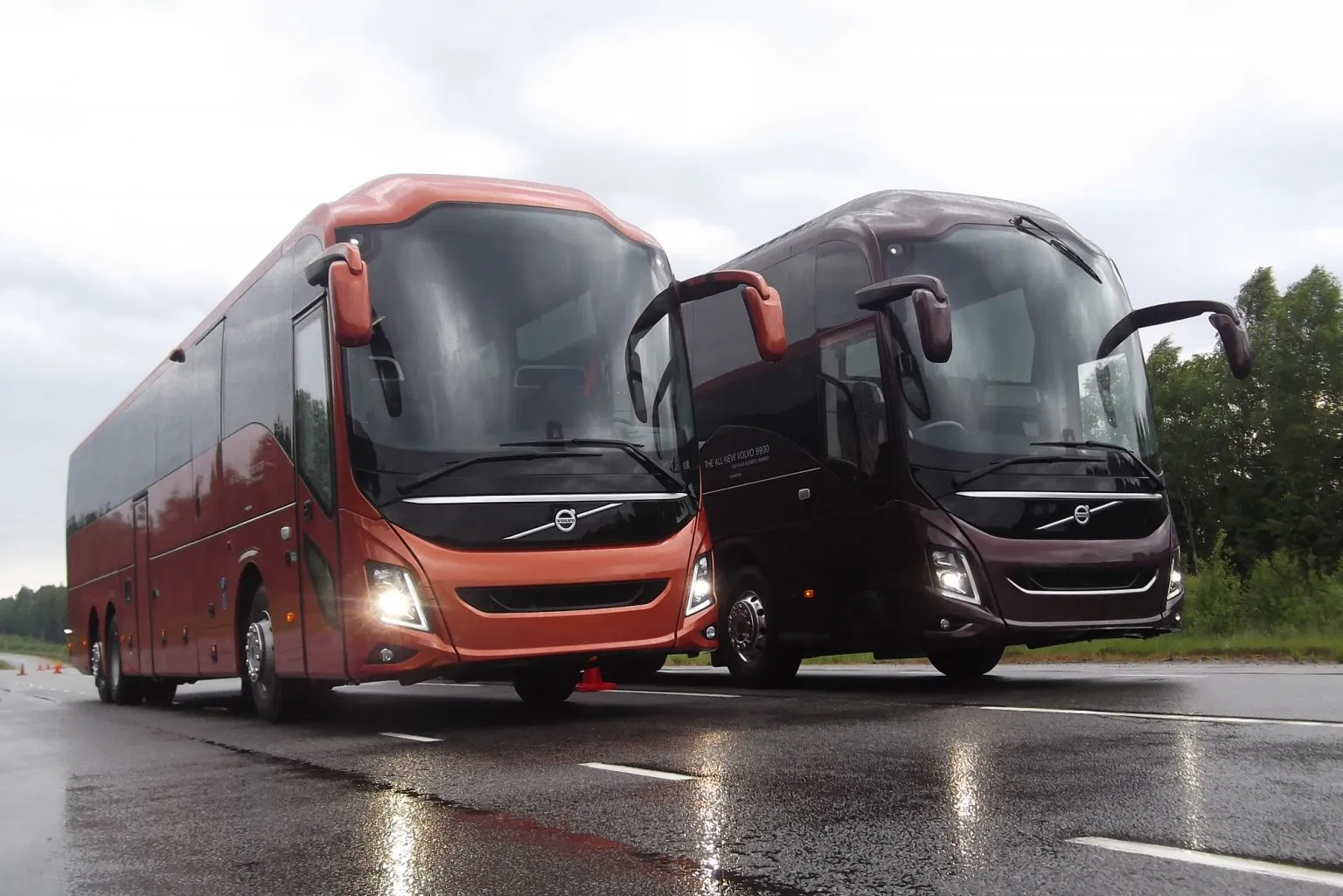
According to the manufacturer, introducing the 9700 type at the Mexican plant does not require major technological or production-organisation changes. In the initial phase of production, the model will follow a dedicated manufacturing process, but over the course of production it will gradually be integrated into the plant’s conventional production lines specialised for coaches. Only minor modifications will be needed, since the company will largely work with the same supplier base as in European production, while the employees involved in manufacturing are experienced Volvo Buses specialists with specific expertise in building coaches. The company also stressed that its existing manufacturing competencies, together with the experience accumulated in producing earlier types of similar construction, provide a suitable foundation for the new generation of the 9700 to fit smoothly into the production structure of the Mexican plant. Initially, four basic variants will be built, covering the most in-demand configurations in those European markets where Volvo remains an active player in the coach segment.
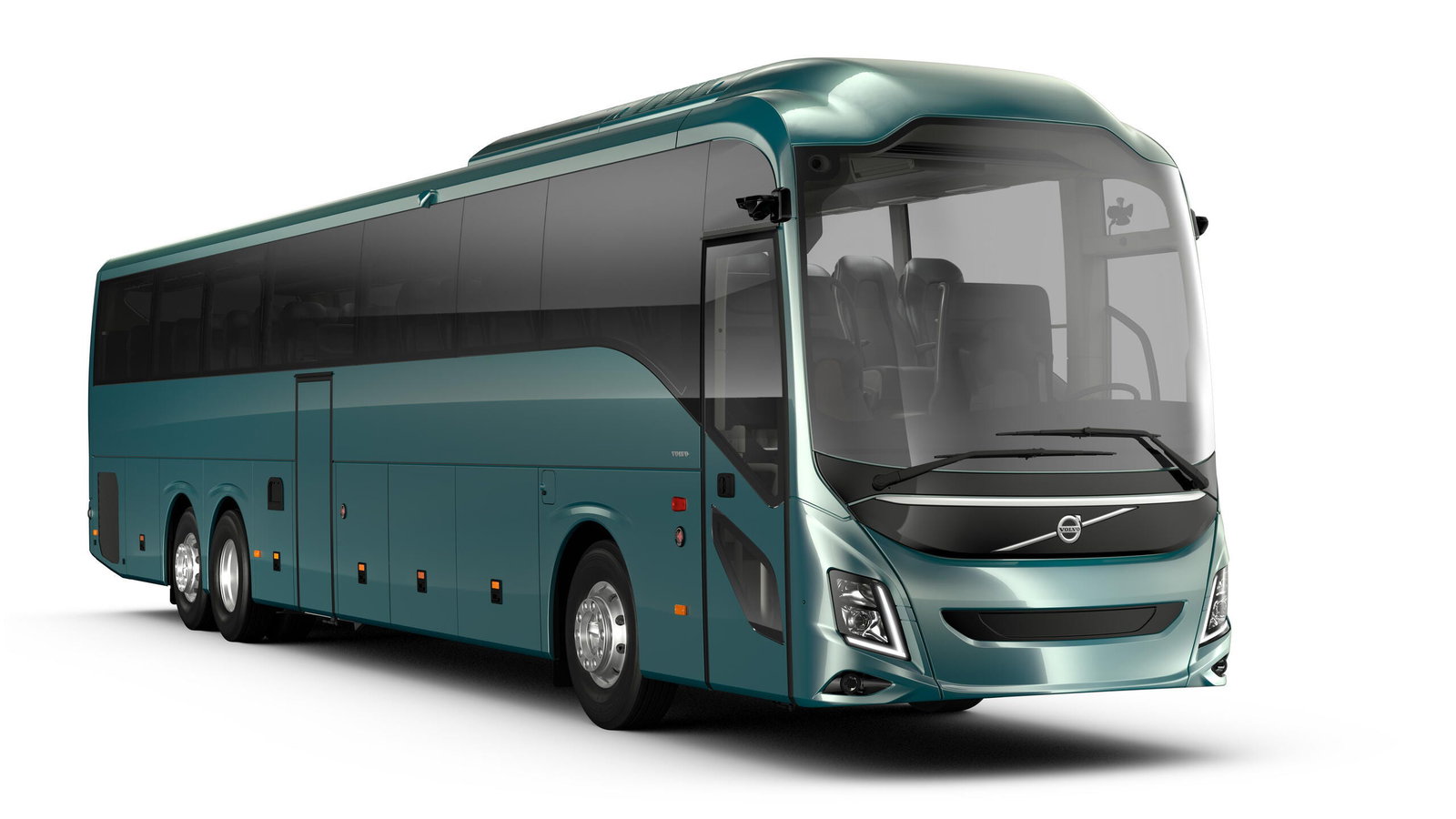
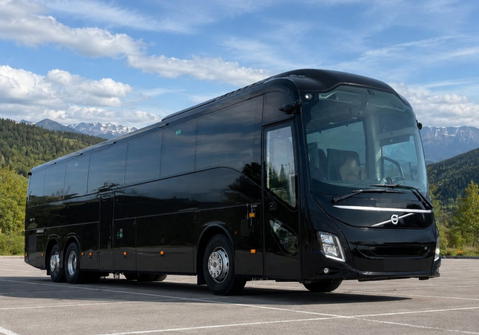
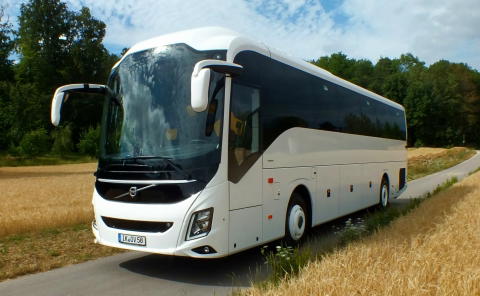
The Volvo 9700 will continue to be available in four length variants, in two- and three-axle versions
According to Volvo Buses, there is strong interest in the 9700 type on the European market, and the company already has a volume estimate that it considers appropriate for current market demand. At the same time, it stressed that – in line with usual practice – the production programme will be shaped flexibly, and that it can adapt to changes in demand if necessary.
At a strategic level, the manufacturer continues to pursue a multi-pronged approach in the European coach market. Alongside the Volvo 9700 series, which is developed and manufactured entirely in-house, the company is also building on its cooperation with Marcopolo, agreed in 2025. The partnership enables the range to be expanded flexibly with various chassis-body configurations, through Volvo’s existing sales and service network. (In the British and Irish markets this is supplemented by types offered with bodies from Egypt’s MCV and Spain’s UNVI.) In Volvo Buses’ view, the premium-category 9700 models and the vehicles offered under partnership arrangements together provide a broader and more adaptable product portfolio for coach customers.
The range developed jointly with Marcopolo will initially focus mainly on the French and Italian markets, where the first variant to appear will be based on the Volvo B13R chassis and fitted with the Marcopolo Paradiso G8 1200 body. Volvo Buses will continue to maintain its strategy of working with selected bodybuilders for bus and coach chassis, while complete, fully built-up city and interurban buses are produced in joint production with MCV, and assembly of the Volvo 9700 series will be carried out in-house in Mexico, as described above.
Cover image: Nermin Kadric